
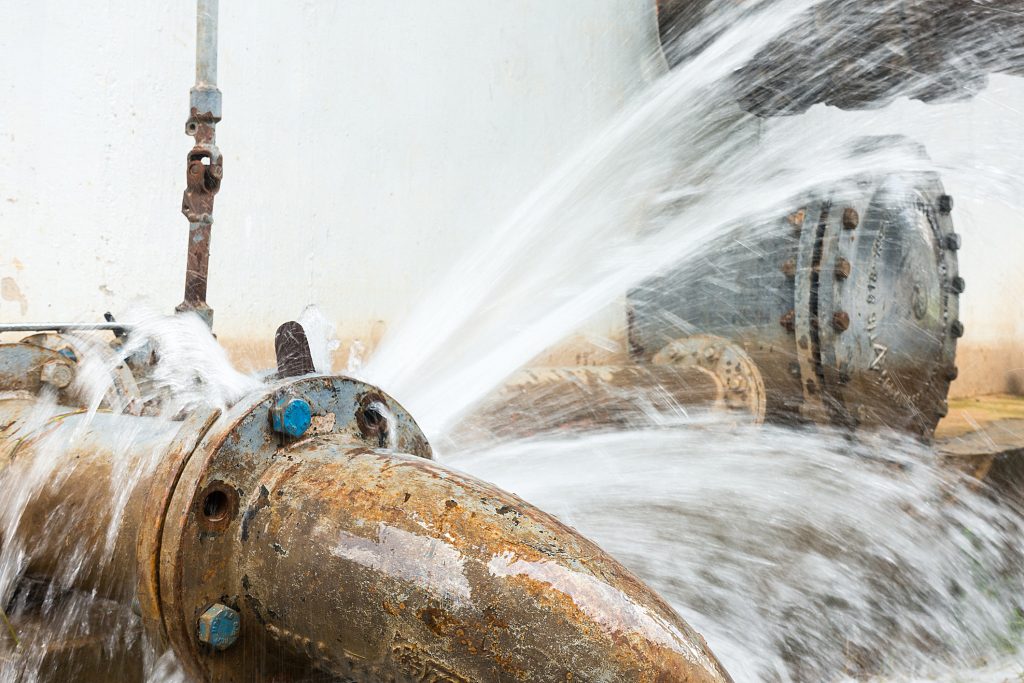
The design of ball valves enables them to provide reliable sealing, but leakage can occur due to a variety of conditions. This article explores the common causes of ball valve leakage, leakage types, how to detect and fix them, as well as the different leakage classes.
Common Causes of Ball Valve Leakage
Ball valve leaks can stem from multiple factors, ranging from improper installation to material degradation. Understanding these causes helps in diagnosing and preventing ball valve failures in industrial setups. The following sections highlight some of the most common causes.
Seal Wear and Tear
Over time, the valve’s soft seals (such as PTFE or elastomers) can degrade due to exposure to high temperatures, chemicals, or abrasive materials in the flow medium. This degradation reduces the ability of the seals to form a tight barrier, hence leading to internal leakage.
Improper Installation
If the valve is not installed correctly, then misalignment or insufficient tightening can occur, causing gaps in the sealing mechanism. Factors such as incorrect torque application, pipe misalignment, or poor connection fittings can cause valve leakage.
Corrosion and Erosion
Corrosive or abrasive fluids can wear down valve components, causing pitting and structural weaknesses that lead to leakage. Utilizing materials such as stainless steel or exotic alloys can mitigate these effects, but improper material selection can accelerate deterioration.
Pressure and Temperature Fluctuations
Extreme operating conditions can cause expansion and contraction of valve components, compromising the seal integrity. Rapid temperature changes can also lead to thermal shock, further exacerbating sealing failures.
Manufacturing Defects
Occasionally, issues such as poor machining tolerances, defective seals, or improper surface finishes can result in ball valve leakage. Strict quality control measures help minimize these defects.
Common Types of Ball Valve Leakage
Ball valve leakage can be classified into different types on the basis of where and how the leak occurs. Leaks may occur within the valve body, at sealing interfaces, or through connection points, each presenting distinct challenges.
The two primary categories of leakage are internal and external leakage. However, additional factors such as pressure fluctuations, thermal expansion, and abrasive media can also contribute to different leakage mechanisms. Below are the most common types of ball valve leakage and their causes.
Seat Leakage (Bypass Leakage)
This occurs when the ball does not create a proper seal with the valve seat, allowing fluid to bypass even when the valve is fully closed. This can result from damaged or worn out seats, improper ball alignment, or foreign particles lodged between the ball and seat.
Stem Leakage
The stem connects the actuator or handle to the ball inside the valve. Leakage from the stem occurs due to worn out packing, improper gland tightening, or excessive stem movement resulting from pressure fluctuations. Stem leaks are common in high-pressure applications where packing materials degrade over time.
Thermal Expansion Leakage
When ball valves are subject to extreme temperature variations, thermal expansion and contraction of the metal components can cause leaks. If the expansion of the ball or valve body is not accounted for in the design, the valve may not seal properly, hence leading to intermittent leakage.
Cavitation-Induced Leakage
In high-pressure applications, cavitation (formation of vapor bubbles) can cause material erosion on valve seats and internal surfaces. Over time, this erosion creates gaps, preventing the ball from fully sealing against the seat, resulting in internal leaks.
Abrasion-Induced Leakage
In applications where the valve handles abrasive media (such as slurries or particulate-laden gases), wear and tear on the ball, seats, and seals can lead to leakage. This is common in industries such as mining, cement production, and wastewater treatment.
O-Ring or Gasket Failure Leakage
Some ball valves rely on O-rings or additional gaskets to enhance sealing. Over time, these components degrade due to chemical exposure, high temperatures, or mechanical stress, resulting in leakage at the joints or between the valve body sections.
How to Detect Ball Valve Leakage
Detecting a leaking ball valve early can prevent costly downtime and system failure. Regular inspections and preventive maintenance can help identify leaks before they lead to system failure. The following sections describe some common detection methods.
Visual Inspection
Checking for visible signs of leakage around the stem, body, and end connections. This includes looking for fluid accumulation, rust, or wet spots near the valve.
Pressure Testing
Conducting a hydrostatic or pneumatic test to evaluate the valve’s sealing capability under operating conditions. This test ensures that the valve meets its design specifications before installation or during maintenance.
Acoustic Detection of Ball Valve Leakage
Using ultrasonic leak detection devices to identify internal leaks without disassembling the valve. These devices detect high-frequency sounds produced by fluid escaping through small gaps.
Thermal Imaging
Infrared cameras can detect temperature variations that indicate fluid leakage from the valve. This method is particularly useful for detecting leaks in high-temperature systems where direct inspection is difficult.
Bubble Test
Apply soapy water around the valve’s external components and observe for bubbles, which indicate gas leakage. The bubble test is a common method for detecting leaks in ball valves, particularly for applications requiring a Class VI shutoff. It is a simple yet effective way to verify if a valve provides a bubble-tight seal against leakage.
How to Fix a Leaking Ball Valve
Once a leak is detected, the appropriate corrective action depends on the severity and type of leakage:
- Tightening Connections: Properly secure all bolts and fittings to prevent external leaks. It is important to use the recommended torque when doing this to avoid over-tightening, which can damage gaskets or threads.
- Replacing Seals and Packing: Replace worn or damaged seals during maintenance; this can restore the valve’s integrity. Also, use compatible seal materials in line with operating conditions to ensure long-term performance.
- Cleaning the Valve: Debris and contaminants can prevent proper sealing, so thorough cleaning of the ball and seats may resolve the issue. This is especially important in processes involving particulates or sticky fluids.
- Lubrication: Applying compatible lubricants to moving parts can improve sealing performance and reduce wear. However, not all ball valves require lubrication, so be sure to follow manufacturer recommendations.
- Replacing the Valve: In cases of severe corrosion, structural damage, or irreparable leaks, replacing the valve may be the only viable solution. Upgrading to a higher-quality valve designed for the specific application can prevent recurring issues.
Ball Valve Leakage Class
Leakage classification is an important aspect of ball valve performance, especially in critical applications. The American National Standards Institute (ANSI) and other regulatory bodies define different leakage classes on the basis of allowable leakage rates. Classifications according to the ANSI B16.104/FCI 70-2 are on the following table.
| Class | Description | Common Valve Type | Allowable Leakage |
| Class I | No seat test required | General purpose valves | Not tested, because design permits leakage |
| Class II | Basic metal-to-metal seats, suitable for general industrial use | Double-seated valves | 0.5% of max flow |
| Class III | Also ideal for general industrial use, but tighter than Class II | Balanced control valves | 0.1% of max flow |
| Class IV | Standard for metal-seated valves for moderate shutoff capability | Single-seated metal-seated ball valves | 0.01% of max flow |
| Class V | High-pressure, metal-seated valves where minimal fluid loss is critical | Critical process control | 5×10⁻⁴ ml/min per inch of diameter |
| Class VI | Soft-seated control valves | Soft-seated ball valves | Bubble-tight shutoff |
Avoiding Ball Valve Leakage with QRC Valves
Ball valve leakage can compromise system reliability, increase operational costs, and pose safety risks. By understanding the causes, types, detection methods, and also available solutions, professionals can effectively manage and mitigate valve leaks.
At QRC Valves, we understand these, that is why we are leading suppliers of high-quality ball valves from top manufacturers. Our offerings include ball valves from NEWCO, L&T, ATOMAC, and Orbit. These high-quality products alongside our support services will ensure that leakages become a thing of the past in your facilities. Contact us today, and our experts will get right to work with you.
Recent Comments