

Blowdown service refers to the process of removing hot water from the bottom of a boiler to reduce the accumulation of dissolved solids in the boiler water. These solids, if left unchecked, can affect boiler efficiency, therefore, cause scaling, and lead to operational issues.
During this process, the hot water is rapidly vented to the atmosphere, hence, leading to a sudden pressure drop. As a result, the water “flashes” into steam inside the valve, creating extreme temperature fluctuations, high-velocity flow, and an erosive environment.
To withstand these severe operating conditions, selecting the right valve materials and trim components is crucial.
Challenges in Blowdown Valve Applications
The flashing effect that occurs inside the valve during blowdown service creates an aggressive flow condition that can significantly damage standard valves. The key challenges include:
Erosion & Wear: High-speed steam and suspended solids erode valve components, particularly the trim, seat, and body materials.
High Temperatures & Thermal Cycling: The rapid transition from liquid to steam causes thermal shock. This shock can lead to material fatigue and also cracking.
Pressure Drop Impact: The sudden drop in pressure increases flow turbulence, further accelerating valve deterioration.
Why Standard Valves Are Not Suitable
Traditional valve trim materials are not capable of withstanding extreme erosion and thermal shock. When exposed to high velocities, flashing steam, and solid particles, standard valves experience:
Rapid degradation of internal components due to continuous impact from high-velocity steam.
Severe seat and trim wear, leading to premature valve failure.
Reduced sealing capability, causing leaks and inefficiencies.
To mitigate these issues, specialized trim and material selections must serve in blowdown applications.
Material Selection for Blowdown Valves
Key Requirements for Blowdown Valve Materials:
High erosion resistance to withstand continuous particle impact.
Superior thermal shock resistance to handle sudden temperature changes.
Tough, wear-resistant trim materials to extend service life in flashing conditions.
Common material choices include:
Body Materials
Stainless Steel (CF8M, CF3M) – Offers superior corrosion resistance and moderate erosion resistance.
Chrome-Moly Steel (WC9, C12A) – Ideal for high-temperature, high-pressure steam applications.
Nickel-Based Alloys (Hastelloy, Inconel) – Provides exceptional resistance to erosion and thermal fatigue.
Trim Materials
Stellite Hardfacing – Commonly used for valve seats and discs due to its high wear resistance.
Tungsten Carbide Coatings – Extremely durable against erosion and flashing damage.
Cobalt-Based Alloys – Excellent for high-temperature, corrosive steam environments.
Selecting the right combination of body and trim materials helps extend the valve’s service life and also minimizes maintenance costs.
Specialized Valve Designs for Blowdown Service
To improve durability and reliability, blowdown valves often incorporate:
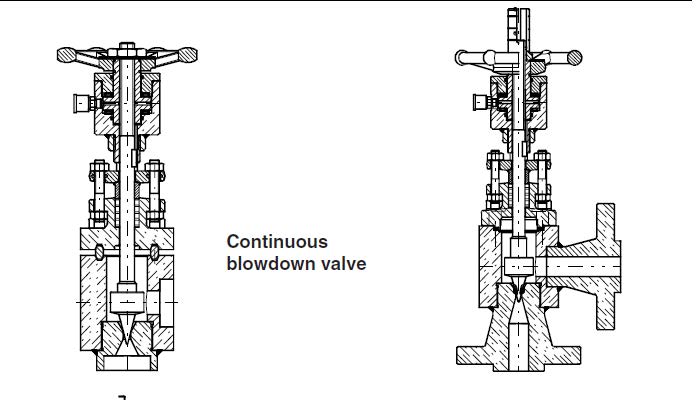
Hardened trim components to resist high-velocity steam damage.
Multi-stage pressure reduction to control flashing and turbulence.
Replaceable seat rings to allow for easy maintenance and extended valve life.
Angle valve configurations to direct flow and reduce erosion points.
By using a properly designed blowdown valve, operators can increase operational efficiency, reduce downtime, and also improve boiler performance.
Getting the Right Valves for Blowdown Service
Blowdown service presents unique challenges due to high temperatures, flashing steam, and suspended solids. Standard valves are not suited for these harsh conditions, leading to rapid wear and frequent replacements.
By selecting specialized materials, hard-faced trims, and engineered valve designs, facilities can ensure long-lasting performance and improved reliability in boiler blowdown applications.
Looking for high-performance blowdown valves? Contact QRC Valves today to find the right solution for your application!
Reason for Release: Original Specification
Revision Letter: None
Prepared By D. Romphf
Recent Comments