

Hydrogen service creates unique challenges for industrial valves, including hydrogen embrittlement, leakage risks, and material compatibility issues. This article explores how hydrogen affects valve design, sealing, and metallurgy, and offers practical guidance on selecting safe, reliable valves for hydrogen pipeline transport.
Hydrogen Transport and Its Engineering Challenges
Here are some of the most common challenges associated with hydrogen as a transport medium inside pipelines.
Hydrogen as a Pipeline Transport Medium
Hydrogen transport via pipelines remains predominant for industrial use, energy storage, and emerging hydrogen energy networks. While many pipeline principles are similar to those used for natural gas systems, hydrogen presents several additional engineering challenges that influence equipment design and long-term operation.
Hydrogen’s physical properties differ significantly from those of most industrial gases. Its low density and extremely small molecular size affect how it behaves within piping systems and its interactions with valve components.
Molecular Size and Diffusion
Hydrogen molecules are among the smallest of any gas used in industrial systems. Because of this, hydrogen can migrate through very small gaps and imperfections in sealing interfaces that would normally contain other gases.
In valve assemblies, these microscopic leakage paths can occur at packing interfaces, seat surfaces, and gasket connections. As a result, hydrogen service often requires more stringent sealing performance and tighter manufacturing tolerances than conventional gas service.
Interaction with Metallic Materials
Hydrogen also interacts with metals differently from most process gases. Under certain pressures and temperatures, hydrogen atoms can diffuse into the crystal structure of metallic materials.
Over time, this diffusion may alter mechanical properties and increase susceptibility to cracking in some alloys. Because valves contain multiple pressure-retaining and load-bearing components, material interactions require careful consideration during valve specification and design.
Hydrogen Embrittlement in Valve Components
In addition to the above-mentioned considerations, hydrogen embrittlement is a major concern for many industries.
What Is Hydrogen Embrittlement?
Hydrogen embrittlement is one of the most important material concerns in hydrogen pipeline systems. This phenomenon occurs when hydrogen atoms enter a metal, reducing its ductility and making it more brittle and susceptible to cracking.
In many cases, embrittlement does not cause immediate failure. Instead, it gradually reduces the material’s ability to withstand stress, particularly under cyclic loading conditions.
Effects on Valve Bodies and Trim
Valve components are especially sensitive to this issue because they experience both pressure loading and mechanical movement during operation. Components such as valve bodies, stems, seats, and internal trim risk exposure to hydrogen during service.
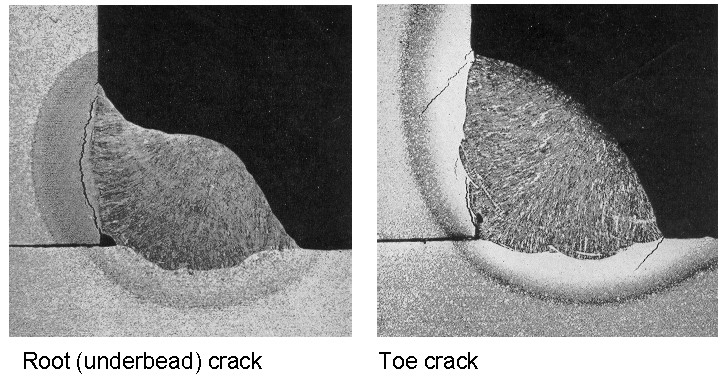
Repeated pressure cycles combined with hydrogen exposure can accelerate fatigue damage in susceptible materials. Small cracks may develop and propagate over time, potentially leading to component failure if not properly addressed during design and material selection.
Sensitivity of High-Strength Materials
High-strength steels are generally more susceptible to hydrogen embrittlement than lower-strength alloys. Their microstructure can trap hydrogen atoms at grain boundaries and other microstructural features, which increases the likelihood of crack initiation. In addition, heat-affected zones (HAZ) could make lower-strength alloys susceptible to hydrogen cracking.
For this reason, hydrogen service specifications often limit the hardness and strength levels of materials used in pressure-containing components.
Courtesy: Piping Engineering World
Material Selection to Reduce Embrittlement Risk
To mitigate embrittlement risks, engineers typically select materials known to perform well in hydrogen environments. Austenitic stainless steels are common because their crystal structure provides better resistance to hydrogen-induced cracking.
Nickel alloys and carefully specified carbon steels may also be suitable depending on the operating conditions. In addition, heat treatment processes and strict quality control during manufacturing help ensure the final material properties meet hydrogen service requirements.
Leakage Risks Associated with Hydrogen Pipeline Transport
Another major challenge in hydrogen systems is containment. Because hydrogen molecules are extremely small, they can escape through sealing gaps that would normally contain other gases. Even high-quality sealing systems may allow trace amounts of hydrogen to permeate if their design is not specifically for hydrogen service.
Potential Leak Paths in Valves
Several locations within a valve assembly can act as potential leakage paths. These include:
- Stem packing interfaces
- Body gasket joints
- Seat sealing surfaces
- Threaded or bolted connections
If these interfaces are not designed and manufactured to very tight tolerances, hydrogen leakage may occur during operation.
Sealing System Considerations
Effective hydrogen containment requires careful selection of sealing materials and packing systems. Some traditional sealing materials may allow hydrogen permeation or degrade under high-pressure hydrogen conditions.
Advanced packing materials and improved sealing geometries are often used to enhance performance. Precision machining of sealing surfaces also reduces microscopic leakage paths.
Multi-Barrier Containment Strategies
Many hydrogen valve designs incorporate multiple sealing barriers to improve reliability. For example, dual-stem seals or secondary containment features can provide redundancy if the primary sealing interface degrades.
These design strategies help ensure that hydrogen remains safely contained within the pipeline system.
Metallurgy and Material Compatibility in Hydrogen Pipeline Transport Systems
The metallurgical properties of valve materials strongly influence their behavior in hydrogen service. Therefore, material compatibility must be evaluated before commissioning.
Here are a few more considerations.
Influence of Hardness and Microstructure
Hardness, grain structure, and alloy composition all affect how hydrogen interacts with the metal. Materials with very high hardness levels are generally more susceptible to hydrogen-assisted cracking. For this reason, hydrogen service specifications often include strict hardness limits for pressure-containing components.
Alloy Composition and Hydrogen Resistance
Certain alloys provide improved resistance to hydrogen diffusion and embrittlement. Austenitic stainless steels are commonly used because their face-centered cubic crystal structure offers good ductility and hydrogen tolerance.
Nickel-based alloys may also be used in demanding environments where higher strength or corrosion resistance is required.
Evaluating All Valve Components in Hydrogen Pipeline Transport Systems
Material compatibility must extend beyond the main valve body. Smaller internal components such as springs, fasteners, and trim elements must also be suitable for hydrogen service.
If even a single component is susceptible to hydrogen damage, it can compromise the reliability of the entire valve assembly.
Valve Design Considerations for Hydrogen Pipeline Transport Systems
The following valve design considerations apply to all hydrogen pipelines and should be considered for all operations involving hydrogen transport.
Pressure and Mechanical Design Requirements for Hydrogen Pipeline Transport
Valve bodies used in hydrogen pipelines must be capable of withstanding both steady operating pressures and transient pressure fluctuations. Pressure spikes can occur during pipeline startup, shutdown, or rapid operational changes.
Design margins must account for these dynamic conditions to ensure safe operation.
Flow Path Geometry
The internal flow path of a valve can also influence its performance in hydrogen service. Smooth flow passages help reduce turbulence and minimize localized stress concentrations. Stable flow conditions reduce vibration and help prevent accelerated wear in valve components.
Stem Sealing and Operational Cycling
Stem sealing systems must provide tight containment while allowing smooth mechanical operation. Because pipeline valves may be operated thousands of times during their service life, sealing systems must maintain integrity under repeated actuation cycles.
Proper stem design and packing selection are therefore critical for long-term reliability.
Maintenance Accessibility
In large pipeline networks, valves often serve as critical isolation points. Designs that allow for straightforward inspection, maintenance, and repair help reduce downtime and improve operational reliability. Accessibility and serviceability are, therefore, important considerations in valve selection.
Standards and Testing for Hydrogen Valves
As hydrogen infrastructure expands, specialized testing procedures are increasingly used to verify valve performance. These tests evaluate material behavior, sealing performance, and structural integrity under hydrogen exposure.
Testing may include:
- High-pressure hydrogen exposure
- Cyclic pressure loading
- Leak detection verification
Standards organizations continue to develop guidance for hydrogen pipeline systems. These guidelines address materials, pressure equipment, and valve design requirements specific to hydrogen service. Furthermore, following recognized standards helps ensure valves meet the safety and reliability requirements of hydrogen transport systems.
Operational Guidance for Hydrogen Valve Selection
Valve selection for processes involving hydrogen transport introduces risks related to embrittlement, leakage, and pressure cycling. Engineers assess several design and application factors to ensure reliable long-term operations.
Practical Engineering Considerations
When specifying valves for hydrogen pipelines, engineers typically evaluate several factors to ensure reliable performance.
Material and Metallurgical Requirements
Materials should demonstrate resistance to hydrogen embrittlement while maintaining appropriate strength and ductility. Hardness limits and manufacturing controls should be verified during procurement.
Sealing and Leakage Prevention
Sealing systems must be specifically designed for hydrogen containment. Careful attention to packing systems, gasket materials, and machining tolerances helps reduce leakage risk.
Pressure Cycling and Fatigue
Hydrogen pipeline systems often experience pressure fluctuations during operation. Valve designs must account for fatigue loading to ensure long-term structural integrity.
Inspection and Monitoring
Regular inspection and monitoring programs can detect early signs of wear, leakage, or material degradation. Monitoring differential pressure and valve performance helps identify potential issues before they affect pipeline reliability.
QRC Valves: Engineered Solutions for Hydrogen Service
QRC Valves supports these engineering objectives by supplying valve solutions designed for reliable performance in demanding industrial environments, including hydrogen service applications. With an emphasis on material compatibility, sealing integrity, and predictable flow characteristics, QRC Valves offers products designed to address the operational challenges associated with hydrogen transport and processing.
Additional technical resources and detailed valve specifications are available through the QRC online portfolio, along with engineering support for system design and valve selection.
Recent Comments