Understanding the 3-Line Bypass and Equalizer Combination in Gate Valves
A 3-line bypass and equalizer combination plays a crucial role in ensuring safe, efficient valve operation in high-pressure systems. This design allows users to warm downstream piping, reduce torque requirements, and prevent overpressurization within the valve body.
In this article, we will explore how the bypass and equalizer functions work, why they are essential in wedge gate valves, and how they help meet ASME safety standards.
How the 3-Line Bypass and Equalizer Combination Works
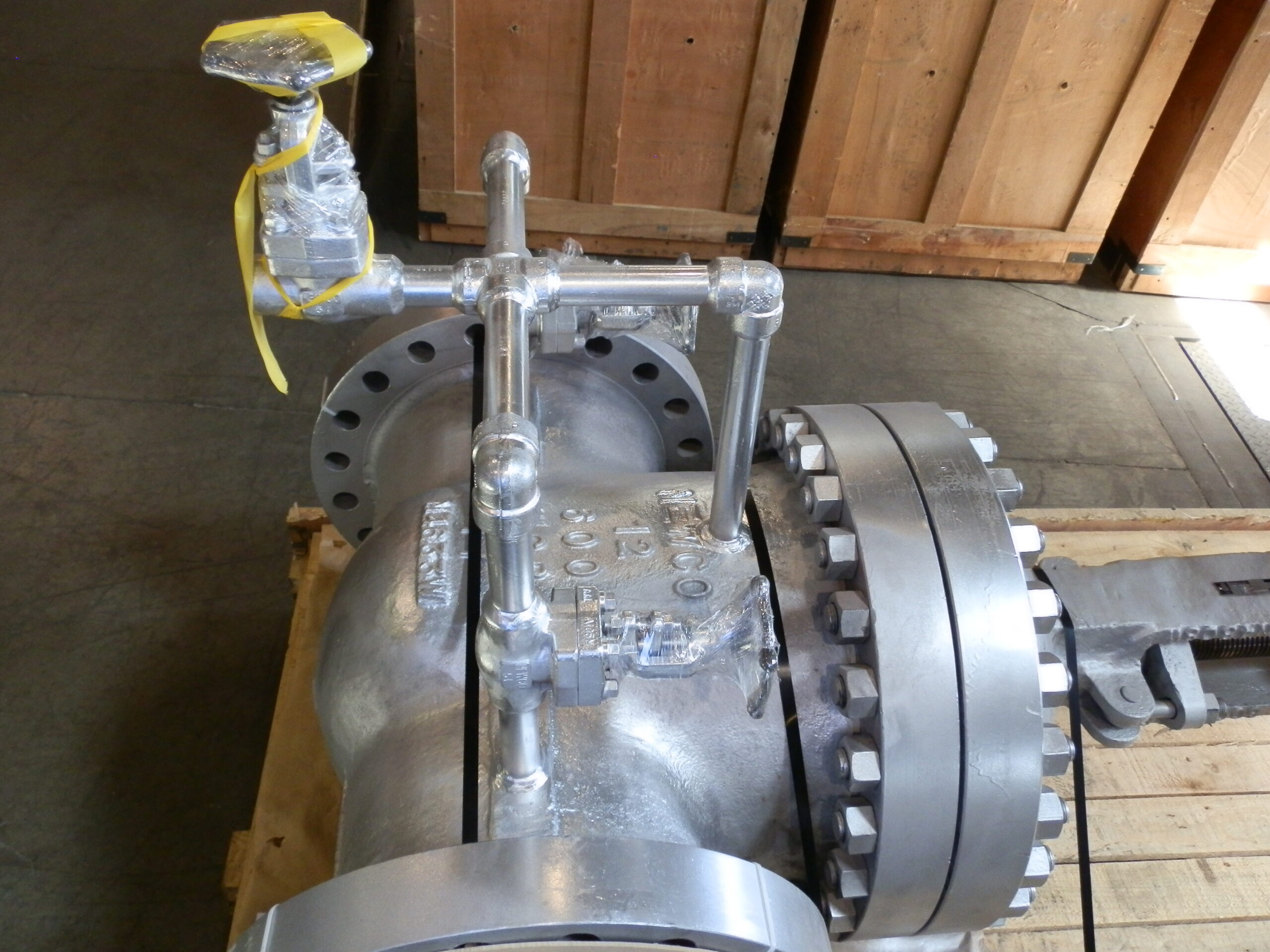
The 3-line bypass and equalizer system consists of three valves:
Upper Equalizer Valve – Located at the top, connecting to the bonnet cavity.
Lower Bypass Valves – Positioned on either side of the main gate valve.
By using these valves in different combinations, operators can achieve specific benefits that enhance valve performance and system reliability.
Function of the Bypass Valves
The bypass function is activated by keeping the upper equalizer valve closed and opening the two lower bypass valves. This setup serves two key purposes:
Preventing Cold Shock in Downstream Piping
When a large primary gate valve is closed, the downstream pipe cools over time. Suddenly introducing high-temperature media into a cold pipeline can cause thermal stress, leading to material fatigue or cracks.
Solution: The bypass system allows for a controlled flow of media into the downstream piping, gradually warming the system before the main valve is fully opened.
Benefit: This prevents cold shock, protecting the piping and valve components from thermal expansion damage.
Equalizing Pressure to Reduce Operating Torque
Opening or closing a large gate valve under full pressure differential requires significant torque, which can strain actuators, stems, and handwheels.
Solution: By using the bypass valves to equalize pressure on both sides of the gate, the force required to move the wedge is significantly reduced.
Benefit: This ensures smoother operation, extends the service life of the valve, and minimizes the risk of component failure due to excessive force.
Sealing Capabilities of Wedge Gate Valves
All wedge gate valves are designed to seal both upstream and downstream at the same time. This dual-sealing function helps ensure:
No leakage between upstream and downstream sections.
Reliable shutoff under high-pressure conditions.
However, this sealing ability also introduces a potential risk when the valve is fully closed with trapped media inside.
The Risk of Overpressurization in Gate Valves
When a wedge gate valve is closed, any media trapped in the center cavity can increase in pressure under certain conditions.
Why Does This Happen?
Some fluids expand when heated, increasing internal pressure inside the valve body.
Thermal expansion of trapped gas or liquid raises pressure beyond safe limits.
If unchecked, this pressure buildup may cause valve lockup or, in extreme cases, pressure boundary failure.
Function of the Equalizer Valve in Preventing Overpressurization
The equalizer function is enabled by using the upper valve, which taps into the bonnet cavity around and above the disc.
How the Equalizer Valve Works:
- The top valve (equalizer) is opened to connect the bonnet cavity with the pipeline.
- One of the lower bypass valves (typically on the upstream side) is also opened.
- This configuration vents trapped media from the cavity to the pipeline, thus, eliminating any risk of overpressurization.
Why the 3-Line Bypass and Equalizer System is Essential
In high-pressure systems, proper pressure equalization and controlled valve operation are critical for safe and also efficient performance.
Protects the valve and piping system from thermal shock as well as pressure surges.
Reduces torque demand, thus, allowing for easier valve operation.
Enhances system safety by complying with industry regulations.
By incorporating a bypass and equalizer combination, operators can maximize valve performance, therefore, prevent failures, and extend equipment lifespan.
📞 Need high-quality gate valves with bypass and equalizer features? Contact QRC Valves today to explore our range of industrial valve solutions!
Recent Comments