

In downstream oil and gas operations, valves are essential for controlling fluids’ flow and pressure during refining, distribution, and storage. They control the flow direction, facilitate system isolation, and regulate pressure, thus ensuring the systems’ smooth and safe function. This article reviews common types of valves for the downstream oil and gas industry, as well as factors influencing their selection.
Types of Valves in the Oil and Gas Industry
Downstream valves are subject to different operating conditions, including high pressures, corrosive environments, and extreme temperatures. Therefore, choosing the right type of valve for each operation is essential for achieving efficiency and longevity. The following sections highlight common valves serving in downstream operations, their roles, and their benefits.
Ball Valves
Ball valves are standard in downstream operations due to their durability and excellent sealing capabilities. These quarter-turn rotational valves feature a spherical disc that controls flow through the valve. When the valve is open, the hole in the ball aligns with the pipeline, allowing fluid to flow through. However, turning the valve handle 90 degrees closes the valve by blocking the flow. Some benefits of using ball valves include:
- Quick Operation: As quarter-turn valves, they provide rapid shutoff, making them ideal for emergency situations where fluid needs to be isolated immediately.
- Tight Seal: These valves offer a tight seal with minimal leakage, which ensures efficient fluid control.
- Durability: Ball valves can handle high pressure and temperature, thus making them ideal for harsh operation environments.

Globe Valves
Globe valves are linear motion valves with a design that allows them to start, stop, and regulate flow. These valves consist of a movable plug or disc element to achieve these functions, which translates to closing or opening the valve against a stationary ring seat. The design of globe valves makes them ideal for the following in the oil and gas industry:
- Flow Regulation: They offer excellent throttling capabilities, allowing precise control over flow rates. This is vital in applications like cooling water systems and fuel oil transport.
- Good Shutoff Capability: Globe valves offer strong sealing when closed, preventing leakage.
- High Pressure Handling: Globe valves are suitable for high-pressure applications, ensuring long-term reliability and performance.

Gate Valves
Gate valves are the most common in the oil and gas industry, as they primarily allow or isolate flow. They operate by lifting a gate out of the fluid path to allow flow or lowering the gate to stop flow. Because there is no clear relationship between the gate position and flow rate, these valves do not serve in metering applications. However, they still offer several benefits, such as:
- Minimal Pressure Drop: When open, gate valves offer full flow with minimal resistance, enhancing system efficiency with higher CV values.
- Bi-directional Flow: Gate valve design allows for bi-directional flow, thus providing flexibility in installation and operation.
- Robust Design: They are durable and can tolerate a variety of fluids, including those that are high viscosity or corrosive.

Check Valves
Check or non-return valves are essential for preventing backflow in piping systems. They close when the fluid reverses direction, which helps ensure equipment and personnel safety. Some benefits of having these valves in a setup include the following:
- Backflow Prevention: Check valves to ensure unidirectional flow, safeguarding pumps and other equipment from damage due to reverse flow.
- Automatic Operation: Check valves do not need manual operation and operate solely on the basis of pressure differential, enhancing system reliability.
- Versatility: Check valves come in various designs, such as swing check and lift check valves. As a result, they can accommodate different applications and fluid types.

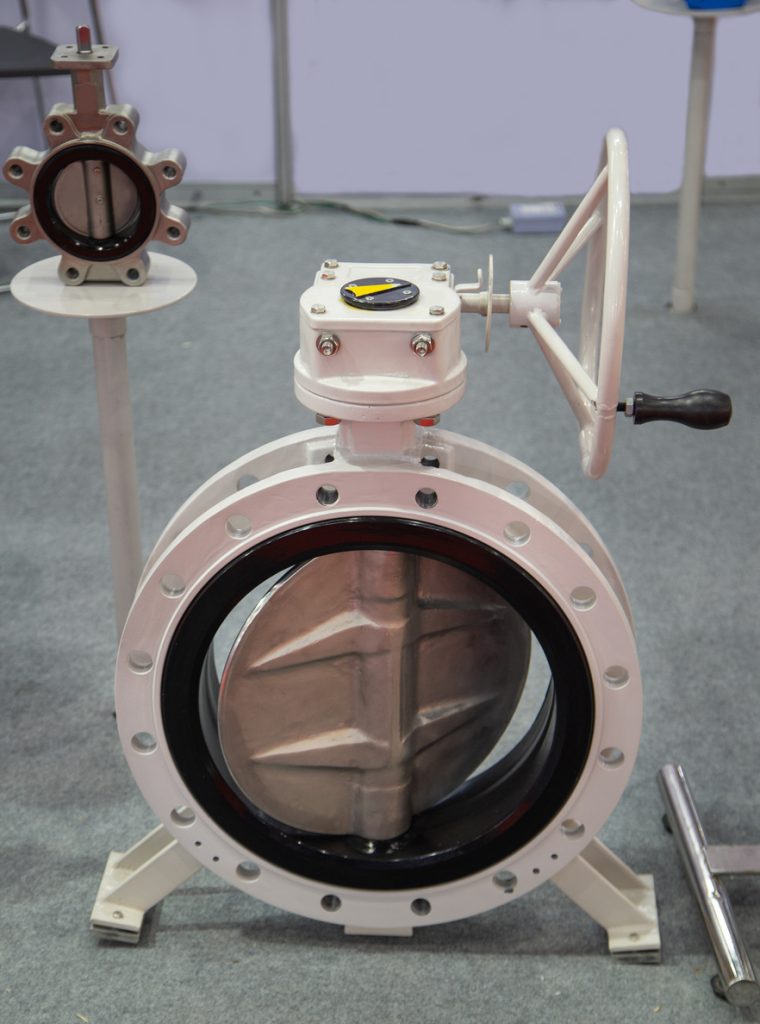
Butterfly Valves
Butterfly valves serve for both flow regulation and isolation by using a rotating disc to obstruct or allow flow. The advantages of using this type of valve are as follows:
- Compact Design: These valves are lightweight and compact, making them ideal for installations with space constraints.
- Fast Operation: They offer rapid opening and closing, which is helpful for applications requiring quick flow control.
- Cost-effectiveness: Butterfly valves are generally more affordable than other valve types, providing a good balance between performance and cost.
Selecting the Right Oil and Gas Valves
Because of the variety of downstream oil and gas operations, selecting the correct valve for each operation is critical. As the following sections highlight, this process involves a comprehensive assessment of safety, efficiency, and reliability factors.
Safety Considerations
Safety is of the utmost importance in the oil and gas industry, and careful valve selection can mitigate risks significantly. Here are some considerations regarding safety during valve selection.
- Pressure Relief: Valves must effectively manage system pressure to prevent hazardous overpressure situations. Implementing pressure relief valves ensures that excess stress can be safely discharged, thus safeguarding equipment and personnel.
- Leak Prevention: It is essential to choose valves with robust sealing mechanisms to avoid leaks that could endanger the environment and personnel. To minimize fugitive emissions, consider selecting valves that comply with low-emission standards.
- Material Compatibility: Select valve materials that withstand the specific chemical and thermal properties of the fluids they will handle. Using corrosion-resistant materials ensures longevity and prevents failures in harsh environments.
Efficiency Considerations
Efficient valve operation directly affects the overall performance and cost-effectiveness of downstream processes. Selecting the appropriate valve for an application influences efficiency in the following aspects.
- Pressure Drop Minimization: Ideal valves should minimize pressure drop across the system. A lower pressure drop improves overall efficiency and reduces energy consumption. So, properly sizing the valve to maintain optimal flow characteristics is crucial.
- Flow Regulation: For applications requiring precise control, valves must have the capability to regulate flow effectively. Choosing the correct valve type, like globe valves, allows for accurate throttling and flow adjustments based on operational needs.
- Energy Optimization: Evaluate the power requirements of actuators used with the valves. Selecting actuators that deliver optimized performance while consuming less energy contributes to overall system efficiency.
Reliability Factors
Reliability is key for minimizing downtime and ensuring continuous operation in downstream applications. The following sections highlight some factors influencing reliability.
- Lifespan and Durability: A valve’s expected lifespan is affected by its material and construction quality. High-quality, durable materials are essential for extending service intervals and reducing total lifecycle costs.
- Maintenance Requirements: Choose valves with a design that allows for easy maintenance. Regularly accessible components and straightforward inspection procedures help minimize downtime and operational disruptions.
- Operational Conditions: Consider the operating environment, including ambient temperature, pressure, and exposure to corrosive elements. Valves in harsh working environments must be robust and wear and tear resistant, ensuring long-term performance and safety.
Application Specifics
Understanding the specific requirements of the application is crucial when selecting a valve. Consider factors such as the type of fluid, pressure, temperature, and flow rate. Each valve type has its strengths and is suited for different applications. Some application needs are as follows.
- Isolation vs Control Needs: Determine whether the application requires isolation (start/stop) or control (regulating flow). For instance, isolation valves like gate valves are suitable for on-off applications, while control valves like globe valves are ideal for flow regulation.
- Fluid Properties: Assess the properties of the fluid being handled, such as viscosity, corrosiveness, and temperature ranges. This understanding helps to select appropriate valve materials and types.
- Industry Standards: Compliance with relevant industry standards and regulations is vital. Ensure that the selected valves meet these standards, which dictate safety, performance, and environmental considerations.
QRC Valves for the Oil and Gas Industry
At QRC, we have an array of industry-standard valves covering all aspects of the downstream oil and gas industry. We can also provide our customers with actuators, ancillary products, and valve modifications. Contact us today, and let us partner in delivering an efficient and cost-effective solution for your project.
Recent Comments