

Valves are crucial components in fluid handling systems, ensuring proper flow control and protecting equipment from damage due to backflow. Among the many types of valves, non-return valves and check valves are often mentioned together, leading to confusion about their distinctions. While both have a design allowing fluid flow in only one direction, their construction, applications, and terminologies vary. In this article, we will explore the debate on the non-return valve vs check valve in-depth, examining key differences and how to select the correct valve for your system.
What is a Non-Return Valve?
A non-return valve (NRV) is a one-way valve designed to prevent reverse flow in a piping system. Its primary function is to ensure that fluids or gases flow in the intended direction while automatically blocking any attempt at backflow. Unlike manually operated valves, NRVs work autonomously, responding to pressure changes within the system.
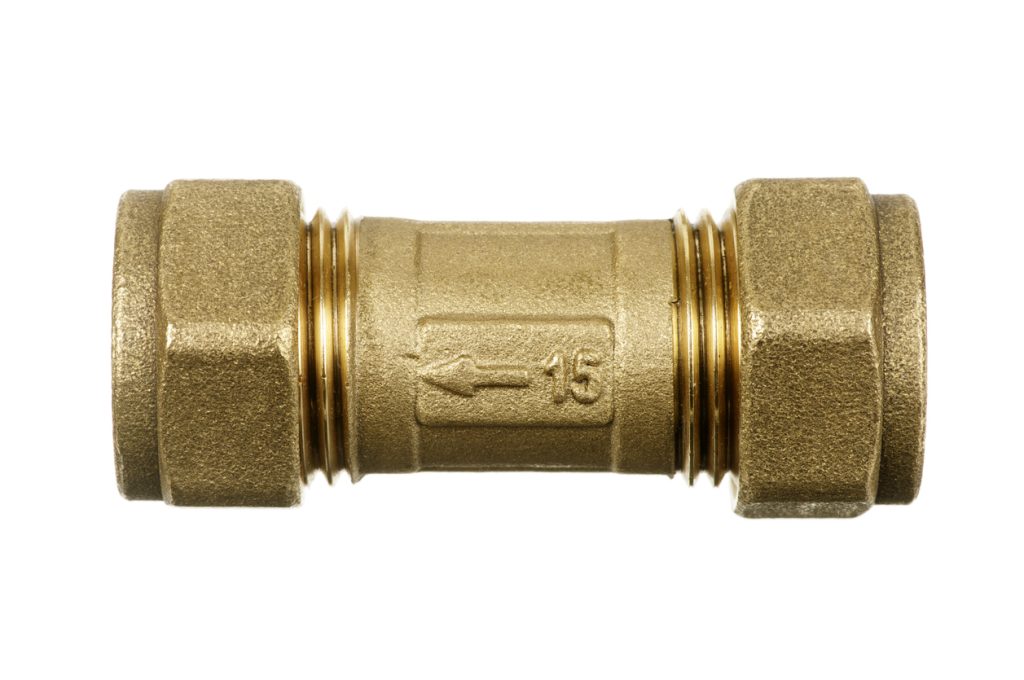
Design and Operation of Non-Return Valves
Non-return valves use a simple mechanism where the forward fluid flow opens the valve, and the back pressure forces it to close. The closure mechanism varies based on the application and design, with common types including:
- Swing-type NRVs: A hinged disc swings open when fluid flows forward and closes when flow reverses.
- Lift-type NRVs: A spring-loaded piston or ball moves in response to fluid pressure, blocking the reverse flow.
- Flap-type NRVs: A flexible flap lifts to allow fluid movement but seals shut when backflow occurs.
Applications of Non-Return Valves
Non-return valves are used across multiple industries for their reliability in preventing reverse flow. Some common applications include:
- Water and Wastewater Treatment: Ensures unidirectional flow in pumping stations.
- HVAC Systems: Prevents refrigerant or chilled water from flowing backward.
- Steam Systems: Stops steam condensate from flowing into live steam lines.
NRVs provide an efficient, automatic solution for maintaining process integrity and reducing the risk of contamination or equipment damage.
What is a Check Valve?
A check valve is a non-return valve designed explicitly to prevent backflow and maintain pressure integrity in pipelines. The key distinction is that check valves are often engineered for industrial-grade applications, where pressure, temperature, and flow rates vary significantly.

Types of Check Valves
Check valves come in several designs, each suitable for different flow conditions and utilizing a unique mechanism.
Swing Check Valve
A hinged disc swings open with fluid flow and closes when back pressure increases. Swing check valves are standard in water supply, wastewater, and oil pipelines.
Ball Check Valve
A free-moving ball seals against a seat when backflow pressure is detected. Ball check valves are often used in low-pressure applications and slurry handling.
Lift Check Valve
A disc or piston moves vertically within the valve body, allowing flow in one direction. Suitable for high-pressure and high-temperature applications.
Dual Plate Check Valve
It features two spring-loaded plates that open and close quickly, hence reducing water hammer. Ideal for high-speed fluid systems in petrochemical plants.
Wafer Check Valve
It is compact, lightweight, and designed to fit between flanges in tight spaces—common in HVAC, chemical processing, and power generation.
Applications of Check Valves
Check valves are widely used in industries requiring precise backflow prevention:
- Power Plants: Protects steam turbines and boilers from water backflow.
- Chemical Processing: Prevents cross-contamination in fluid handling systems.
- Fire Protection Systems: Ensures that fire suppression fluids do not drain backward.
- Petrochemical Refineries: Maintains directional flow in complex piping networks.
Key Differences Between Non-Return Valve vs Check Valve
While both valves prevent backflow, their naming, design variations, and applications set them apart. Understanding these differences is crucial when choosing the correct valve.
Naming and Terminology
The term non-return valve is standard when describing valves in water treatment, HVAC, and oil & gas industries. The term check valve applies to valves in power plants, chemical processing, and high-pressure systems. While all check valves are technically non-return valves, not all non-return valves are industrial-grade check valves.
Design Variations
The structural and operational differences between non-return and check valves are significant. Non-return valves typically feature a more straightforward design with fewer moving parts, making them easier to maintain. In contrast, check valves come in various designs, each tailored for specific applications. For instance, swing check valves are ideal for high-flow applications, while ball check valves are better suited for smaller pipelines.
Material and Pressure Ratings
Material compatibility and pressure handling are essential when distinguishing between non-return and check valves. Depending on the application, non-return valves are often made from materials like PVC, brass, or stainless steel. Check valves, on the other hand, may require more robust materials like forged steel, cast iron, or high-performance alloys.
Choosing Between Non-Return Valve vs Check Valve
Selecting the correct valve type for your system ensures optimal performance and longevity. When deciding between a non-return valve and a check valve, consider the following factors:
Flow Control Needs
Assess the flow requirements of your system. If backflow prevention is the primary concern, a non-return valve may be the best choice. However, a check valve with the appropriate design may be more suitable if your application requires versatility and adaptability.
Operating Conditions
High-pressure and high-temperature environments (e.g., steam plants and refineries) require check valves with robust sealing mechanisms while low-pressure systems (e.g., residential plumbing, HVAC) can use simpler non-return valves.
Maintenance and Performance
- Swing check valves require minimal maintenance but may be prone to wear over time.
- Spring-loaded check valves close faster, hence reducing the risk of water hammering.
- Ball check valves are helpful in slurry and solid-laden fluid applications due to their self-cleaning properties.
Generally, with their simpler designs, non-return valves may require less frequent maintenance than check valves, which may have more complex mechanisms.
Cost Considerations
A non-return valve is relatively cheaper for basic and low-pressure systems than a check valve, which is usually expensive to purchase.
Non-Return Valve vs Check Valve at QRC Valves
At QRC Valves, our team is available to work with you to analyze the flow control needs of your piping systems. Also, we have an array of valves to meet all your needs. Contact us today, and we can get started in no time.
Recent Comments