
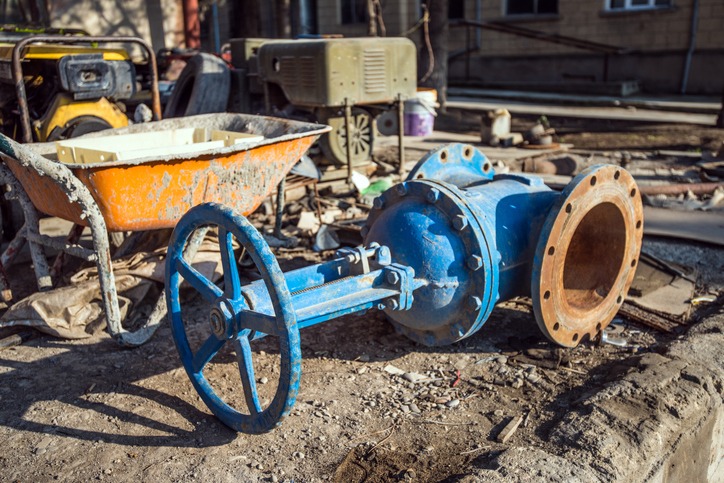
Plant turnarounds provide one of the most important opportunities to identify valve reliability problems before startup. During shutdown inspections, maintenance teams commonly uncover issues such as packing degradation, seat erosion, actuator malfunctions, corrosion damage, and improper throttling applications that can lead to unplanned downtime, fugitive emissions, and startup delays. This valve turnaround inspection checklist outlines seven common valve failure points found during refinery, petrochemical, chemical processing, and power generation shutdowns. It also explains how proper inspection planning, material selection, and severe-service valve design can improve long-term operational reliability.
Why Turnaround Valve Inspections Matter
During normal plant operation, valves are expected to function continuously under pressure, temperature fluctuations, vibration, and changing flow conditions. Over time, these operating stresses gradually affect sealing surfaces, trim geometry, actuator performance, and pressure boundary integrity.
A turnaround creates a rare opportunity to inspect these components under controlled conditions before hidden degradation leads to a startup failure. Many startup reliability problems can be traced back to valve conditions that were either missed during inspection or underestimated during maintenance planning.
Valve Failure Often Develops Gradually
Unlike catastrophic equipment failures, valve degradation usually progresses slowly over months or years. Internal erosion, stem wear, packing relaxation, and seat damage can continue developing even while the valve appears operational from the outside.
Operators may initially notice:
- Slightly higher operating torque
- Minor leakage
- Reduced shutoff performance
- Unstable control response
- Increased actuator cycling effort
These symptoms are often early indicators of larger mechanical or process-related issues developing internally.oms are often early indicators of larger mechanical or process-related issues developing internally.
Common Valve Risks Identified During Turnarounds
The table below summarizes several high-risk valve conditions commonly identified during industrial shutdown inspections. Each of these conditions affects valve reliability differently, but all can contribute directly to startup delays, maintenance costs, and unplanned downtime if left unresolved.
| Failure Area | Typical Cause | Operational Impact |
| Packing degradation | Thermal cycling and stem wear | External leakage and fugitive emissions |
| Seat erosion | Cavitation, flashing, high velocity flow | Internal leakage and isolation failure |
| Stem damage | Friction, corrosion, and poor alignment | Increased torque and sealing problems |
| Improper throttling | Isolation valves used for flow control | Trim erosion and unstable operation |
| Corrosion attack | Material incompatibility | Pressure boundary deterioration |
| Actuator malfunction | Calibration drift or seal wear | Poor valve response and startup delays |
| Fastener fatigue | Thermal expansion and vibration | Flange leakage and joint instability |
Packing Degradation and External Leakage
Valve packing systems are designed to maintain a pressure seal around the moving stem without interfering with its operation. Over long operating periods, however, packing materials experience gradual mechanical and thermal degradation.
This is one of the most common sources of valve leakage identified during plant shutdowns.
Why Packing Performance Deteriorates
As the packing material ages, it gradually loses elasticity and compressive strength. High-cycle valves are especially vulnerable because repeated stem movement accelerates wear inside the stuffing box assembly.
In elevated-temperature service, thermal cycling further contributes to packing relaxation and reduced sealing load.
What Engineers Look for During Inspection
Packing degradation often becomes visible through leakage residue, corrosion, or irregular gland loading around the stem.
Inspection teams typically evaluate packing compression condition, stem surface quality, gland follower alignment, corrosion around the stuffing box, and evidence of hardened packing material. Stem scoring is important because damaged stem surfaces create leak paths that significantly shorten packing life.
Why Packing Reliability Matters
Even small stem leaks can become major operational problems once systems return to pressure and temperature during startup. In regulated facilities, packing failures may also create:
- Fugitive emissions violations
- Product loss
- Safety concerns
- Increased maintenance frequency
For severe-service applications, low-emission packing systems and live-loaded assemblies are often used to maintain more consistent sealing stress over long operating cycles.
Seat Damage and Valve Shutoff Failure
Valve seats are directly exposed to the process stream and absorb much of the flow-related mechanical stress inside the valve. As process velocity, turbulence, and pressure differential increase, seating surfaces become increasingly vulnerable to erosion and deformation.
Flow Conditions That Damage Valve Seats
In severe-service systems, seat damage may progress rapidly if the valve design is not appropriate for the operating conditions. Furthermore, several process conditions contribute directly to seat degradation, including but not limited to:
- Cavitation
- Flashing
- Suspended solids
- High differential pressure
- Turbulent flow
- Improper throttling
Seat damage is particularly dangerous because it usually develops internally without obvious external warning signs. These problems often become visible only during shutdown isolation procedures or startup testing.
Inspection Priorities During Turnaround
Once engineers disassemble the valve, they evaluate seat contact uniformity, erosion patterns, wire drawing damage, surface pitting, and trim deformation. Metal-seated valves in abrasive or high-temperature service typically require detailed inspection due to the higher mechanical stresses involved.
Stem Wear and Seal Integrity Problems
Valve stems transfer actuator force directly to the valve closure element. As a result, they experience continuous friction and mechanical stress throughout the valve’s service life.
Even relatively minor stem damage can affect sealing performance, torque requirements, and actuator calibration.
Causes of Stem Damage
Automated valves often experience higher cumulative mechanical stress due to constant cycling. Stem wear commonly develops through:
- Excessive operating torque
- Poor alignment
- Inadequate lubrication
- Corrosion attack
- Bearing wear
- Frequent cycling
Areas Requiring Detailed Inspection
Turnaround inspections should include evaluation of stem straightness, surface finish, thread wear, bearing integrity, and packing contact surfaces. Any surface scoring or pitting should be carefully reviewed, as irregular stem surfaces accelerate packing wear and leakage.
Operational Effects of Stem Wear
As stem friction increases, actuator load requirements also increase. In control valve applications, these issues may directly affect process stability and control loop performance.
Improper Throttling Applications
One of the most common application-related problems identified during plant inspections is the misuse of isolation valves for throttling service. This usually occurs gradually as operators attempt to regulate flow with standard gate or ball valves that are not designed for continuous modulation.
Why Isolation Valves Fail in Throttling Service
Manufacturers generally engineer isolation valves for full-open or full-closed operation. When left partially open for extended periods, flow becomes concentrated across limited trim areas.
This creates:
- Localized erosion
- Cavitation
- Vibration
- Turbulence
- Uneven trim loading
Over time, these conditions severely damage internal components.
Common Internal Damage Patterns
During turnaround inspections, throttling-related damage often manifests as seat-edge erosion, trim pitting, flow-channel deformation, cavitation damage, and vibration-related wear. Partially open flow paths usually concentrate these wear patterns.
Correct valve selection significantly improves both service life and process stability.
Corrosion and Material Compatibility Issues
Corrosion-related valve failures often develop slowly and remain hidden until shutdown inspection exposes internal damage. Material compatibility becomes especially critical in facilities operating aggressive chemical or moisture-sensitive systems.
How Corrosion Develops Inside Valves
Corrosion mechanisms vary depending on the process environment, but common causes include:
- Chloride attack
- Moisture intrusion
- Galvanic interaction
- Acidic process chemistry
- Erosion-corrosion interaction
Inspection Areas That Require Attention
Internal trim components are often more vulnerable than the valve body itself because of direct flow exposure. During inspections, engineers should examine internal body surfaces, trim assemblies, crevice areas, bolting materials, and sealing surfaces. Additionally, inspectors must check dead zones where stagnant flow increases corrosion risk.
Why Material Verification Matters
Operating conditions often change over time because of production modifications or process optimization. Materials originally selected for service may no longer provide acceptable resistance under updated conditions. Turnaround inspections provide an important opportunity to confirm that valve materials still match current operating requirements.
Actuator and Automation Reliability Problems
Modern process facilities rely heavily on automated valves for control, isolation, and emergency shutdown functions. As a result, valve reliability extends beyond the valve body itself and includes actuator performance, instrumentation accuracy, and control response.
Common Sources of Valve Actuator Failure
Actuator issues may remain hidden until startup testing begins and frequently develop through:
- Seal degradation
- Calibration drift
- Air leakage
- Positioner contamination
- Electrical faults
- Solenoid malfunction
Functional Testing Requirements
Turnaround inspections should include complete functional verification rather than simple visual checks. Functional verification typically includes full-stroke testing, positional accuracy verification, response time measurement, and fail-safe testing. Critical shutdown valves often require additional diagnostic testing because response reliability directly ties to plant safety performance.
Thorough functional testing during turnaround reduces the likelihood of problems occurring during commissioning.
Fastener Fatigue and Joint Integrity Problems
Valve body bolting and flange connections are critical components of the pressure boundary system. However, they are often overlooked compared to internal trim inspections. Over long operating periods, thermal and mechanical stresses gradually affect preload consistency and sealing reliability.
Mechanical Stresses Affecting Fasteners
Fastener degradation is commonly caused by:
- Thermal cycling
- Vibration
- Pressure fluctuation
- Corrosion exposure
- Excessive preload variation
High-temperature systems are especially vulnerable because repeated thermal expansion changes the clamping force over time.
Inspection Areas During Shutdown
Uneven gasket loading is a common contributor to startup leakage problems, particularly in systems exposed to thermal cycling and fluctuating pressure conditions.
During turnaround inspections, maintenance teams should carefully evaluate the overall condition of bolting assemblies, including thread integrity, corrosion buildup, and signs of mechanical distortion that may affect preload consistency.
Inspectors should also verify flange flatness and gasket compression to ensure sealing loads distribute evenly across the joint surface. Even minor irregularities in bolt condition or flange alignment can create localized stress concentrations that eventually become leakage paths during startup pressure ramps.
Importance of Proper Bolt Loading
An incorrect bolt torque distribution creates uneven sealing stress across the flange faces. During startup pressure ramps, these uneven loads often create leakage paths. Proper bolting procedures are essential for maintaining long-term joint reliability under operating conditions.
Building a Stronger Turnaround Inspection Strategy to Minimize Valve Failure
Effective turnaround programs focus not only on repairing visible damage but also on identifying underlying reliability trends before failure occurs.
Valves operating in severe-service conditions should receive additional attention because degradation mechanisms accelerate significantly under high-stress environments.
Prioritizing High-Risk Valves
Maintenance teams typically determine inspection priority by evaluating several operational and reliability factors, including process criticality, historical failure frequency, operating severity, emissions compliance requirements, valve cycling frequency, and system pressure differential.
Valves operating in high-pressure, high-temperature, corrosive, or high-cycle service generally require more detailed inspection because degradation mechanisms develop more aggressively under these conditions.
Reviewing historical maintenance data alongside current operating demands helps maintenance teams identify which valves present the greatest operational risk, allowing inspection resources and repair efforts to be focused where reliability impact is highest.
Combining Inspection With Predictive Maintenance to Avoid Valve Failure
Many facilities now combine physical inspections with predictive maintenance tools such as:
- Torque analysis
- Emissions monitoring
- Partial stroke testing
- Vibration monitoring
- Flow performance analysis
Using operational data alongside shutdown inspection results provides a more complete understanding of valve health and long-term reliability trends.
Frequently Asked Questions on Valve Failure
The most common valve issues identified during shutdown inspections include packing degradation, seat erosion, stem wear, actuator malfunction, corrosion damage, and improper throttling applications.
Manufacturers generally design gate valves for full-open or full-closed operation. Using them for throttling creates concentrated flow turbulence that accelerates seat erosion, cavitation, and trim damage.
Yes. Worn or relaxed packing systems may allow process leakage around the valve stem, contributing to fugitive emissions and environmental compliance risks.
Actuator failures commonly result from calibration drift, seal wear, contaminated instrument air, electrical faults, or inadequate functional testing during shutdown maintenance.
Predictive maintenance technologies help identify developing reliability issues before catastrophic failure occurs, improving inspection planning and reducing unplanned downtime.
Avoiding Valve Failure with QRC Valves
Effective turnaround planning depends on more than completing inspections; it requires identifying the valve reliability risks most likely to impact startup performance, emissions compliance, and long-term operating stability.
QRC Valves supports refineries, chemical plants, power facilities, and industrial operators with engineered valve solutions for severe-service, corrosive, high-temperature, and high-cycle applications. Our team helps maintenance and reliability groups evaluate valve performance, improve shutdown planning, and select valve technologies designed to reduce unplanned downtime. Explore our valve portfolio or contact our team to discuss your turnaround inspection requirements.
Recent Comments