
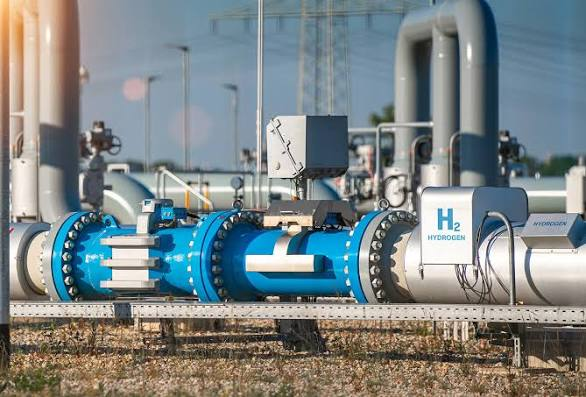
Hydrogen Pipeline Transport: Impact on Valves
Hydrogen pipeline systems introduce unique challenges for industrial valves, including leakage risk, material compatibility, and hydrogen embrittlement. This article explains how these factors influence valve design and provides guidance for reliable hydrogen service
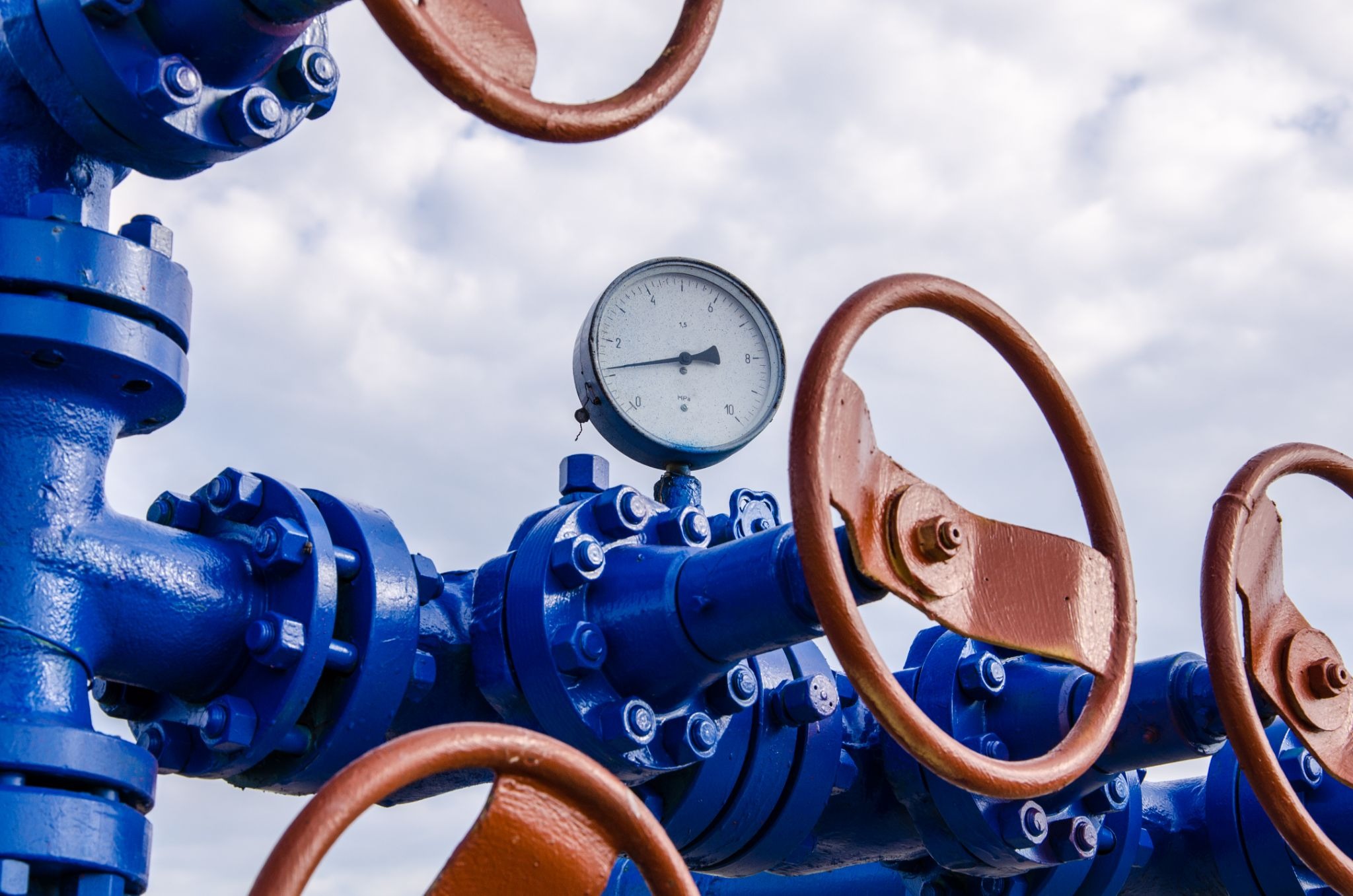
Pressure Drop Across Valves
Pressure drop across valves directly affects system efficiency, energy consumption, and control performance in industrial piping systems. This article explains how different valve designs contribute to pressure loss and outlines practical methods for evaluating and minimizing its impact.

Valve End Connections: Different Types and When to Use Them
Valve end connections establish the critical interface between valves and piping systems, and they influence how securely each valve performs in service. This article explains the major connection types and outlines when engineers should use each option based on pressure, temperature, medium, installation, and maintenance requirements.
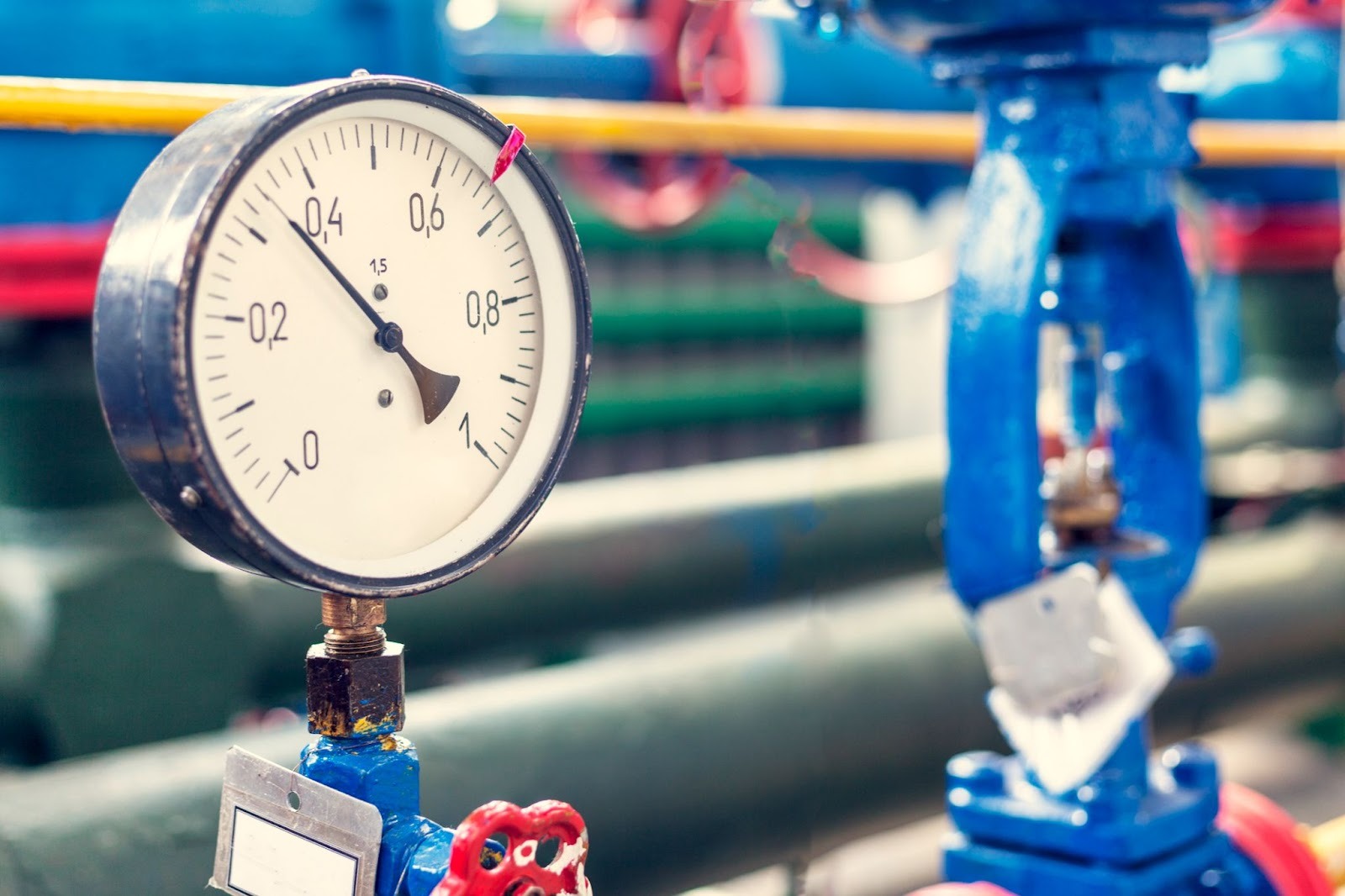
Degassing Valves – Functions, Benefits, and Industrial Applications
Degassing valves automatically vent gas pockets and microbubbles while keeping liquids contained, which protects pumps and stabilizes hydraulic performance. They reduce cavitation risk, prevent airlocks, improve measurement accuracy, and slow oxygen-driven corrosion, making pipelines safer and more reliable.
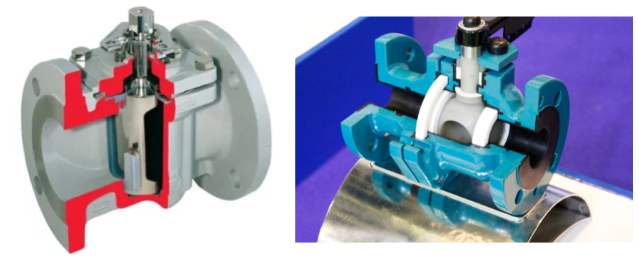
Plug Valves vs Ball Valves – Differences and Applications
Plug valves and ball valves may look similar from the outside, yet their design and sealing methods create very different performance profiles. This article highlights those differences to help engineers match each valve to the right process conditions.

Cast Steel Valves – Strength, Reliability, and Performance
Cast steel valves deliver strength, leak-tight performance, and adaptability in the most challenging industrial environments. This article explores their design, advantages, and applications.

Wafer Check Valves: Compact Power and Reliability
Wafer check valves offer a space-saving, efficient solution for backflow prevention in demanding industrial systems. This article explores how they work, their key benefits, and why QRC’s new Chaoda dual plate design is a smart addition for modern fluid applications.

Floating Ball Valve: Key Features, Types, and Benefits
Floating ball valves offer tight shutoff and cost-effective performance in gas and liquid systems across multiple industries. This article breaks down how they work, their key features, material options, benefits, and how they compare to trunnion-mounted valves. It also covers industry standards, design considerations, and maintenance best practices for long-term reliability.

Natural Gas Shut-Off Valves
This article explores the different types of shut-off valves, including manual, automatic, and excess flow valves, their applications in industrial and residential settings, and key selection factors. Additionally, we’ll discuss compliance with industry standards and how QRC Valves offers high-quality solutions for safe and efficient natural gas operations.

Pulp and Paper Valves
Valves are essential to pulp and paper operations, where harsh chemicals, abrasive slurries, and high temperatures are the norm. This article explores the most common valve types in the pulp and paper industry and their roles in pulp digestion, chemical recovery, and water treatment. We’ll also examine important selection factors, including material compatibility, durability, and maintenance requirements for maximum reliability in this demanding sector.

API 600 vs API 602
API 600 and API 602 are key valve specifications used in industrial applications, particularly in the oil and gas sector. This article explores the differences between these standards, including their design scope, pressure ratings, materials, and typical applications. API 600 covers larger bolted bonnet gate valves, whereas API 602 applies to compact forged steel valves. We’ll also discuss selection factors and compliance requirements.
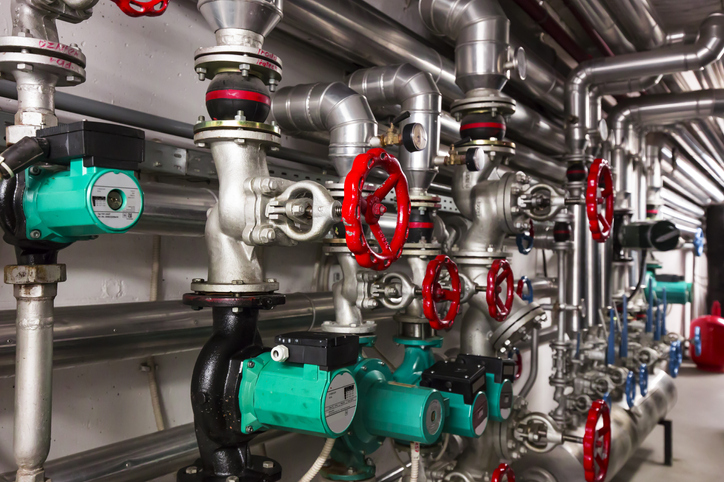
Types of Gaskets in the Oil and Gas Industry
Gaskets play a vital role in oil and gas applications by ensuring leak-proof seals in piping, flanges, and equipment, especially those that experience high pressures and extreme temperatures. This article explores the various types of gaskets in the industry, including spiral-wound, ring-type joint (RTJ), Kammprofile, and non-metallic gaskets. We’ll also discuss material selection, industry standards, and best practices for installation and maintenance. Learn how choosing the right gasket can enhance system integrity and reliability in demanding oil and gas environments.

Ball Valve Leakage
The design of ball valves enables them to provide reliable sealing, but leakage can occur due to a variety of conditions. This article explores the common causes of ball valve leakage, leakage types, how to detect and fix them, as well as the different leakage classes.

Non-Return Valve vs Check Valve
Valves are crucial components in fluid handling systems, ensuring proper flow control and protecting equipment from damage due to backflow. Among the many types of valves, non-return valves and check valves are often mentioned together, leading to confusion about their distinctions. While both have a design to allow fluid to flow in only one direction, their construction, applications, and terminologies vary. In this article, we will explore the non-return valve vs check valve debate in depth, examining key differences, and how to select the right valve for your system.

Gate Valve vs Globe Valve vs Check Valve
Among the various valve types, gate valves, globe valves, and check valves are some of the most common. Each serves a unique purpose with a design to address specific operational needs. In this article, we compare the design, function and applications of the gate valve vs globe valve vs check valve.

Valves for Oil and Gas Industry
In downstream oil and gas operations, valves are essential for controlling fluids’ flow and pressure during refining, distribution, and storage. This article reviews common types of valves for the downstream oil and gas industry, and factors influencing their selection.

ASME B16.10
ASME B16.10 is an essential industry standard for face-to-face and end-to-end dimensions of valves serving across various industrial applications. In this article, we review key elements of ASME B16.10 including face-to-face and end-to-end dimensions, tolerances, material considerations, and the benefits of adhering to this standard.
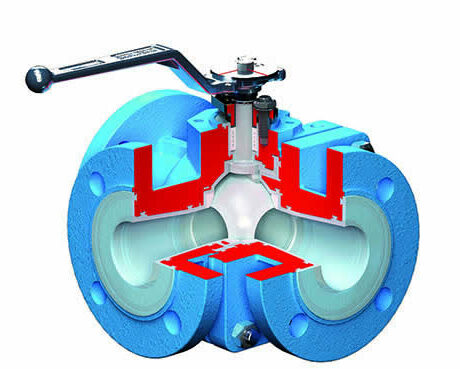
Advanced Valve Technologies: Enhancing Industrial Efficiency
Advanced valve technologies refer to innovative designs, materials, and features in industrial valves that enhance performance, reliability, safety, and efficiency beyond traditional valve designs. This article explores key features and advantages of advanced valve technologies, as well as how they contribute to industrial efficiency.
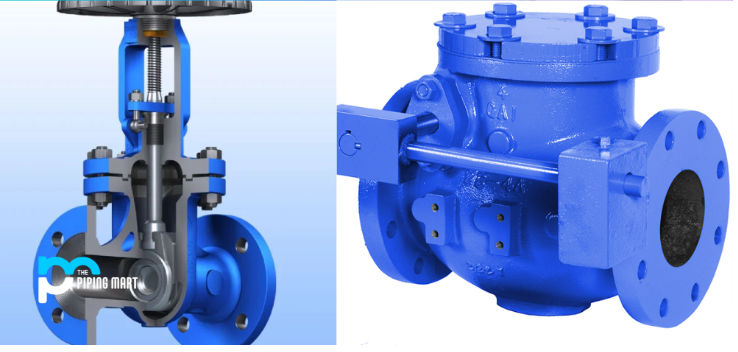
Gate Valve vs Check Valve
Gate valves and check valves serve distinct purposes in industrial piping systems, each offering unique benefits depending on the application. This article reviews each of these valves and compares the features of a gate valve vs a check valve.
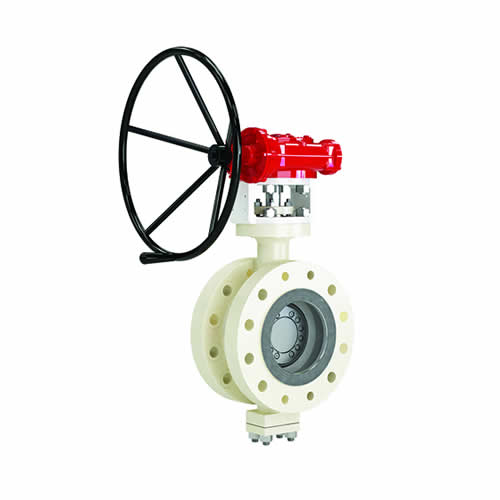
High Performance Butterfly Valves
High performance butterfly valves are essential for precise flow control in demanding industrial applications. In this article, we discuss butterfly valves, why they are needed, and compare them to general service valves.
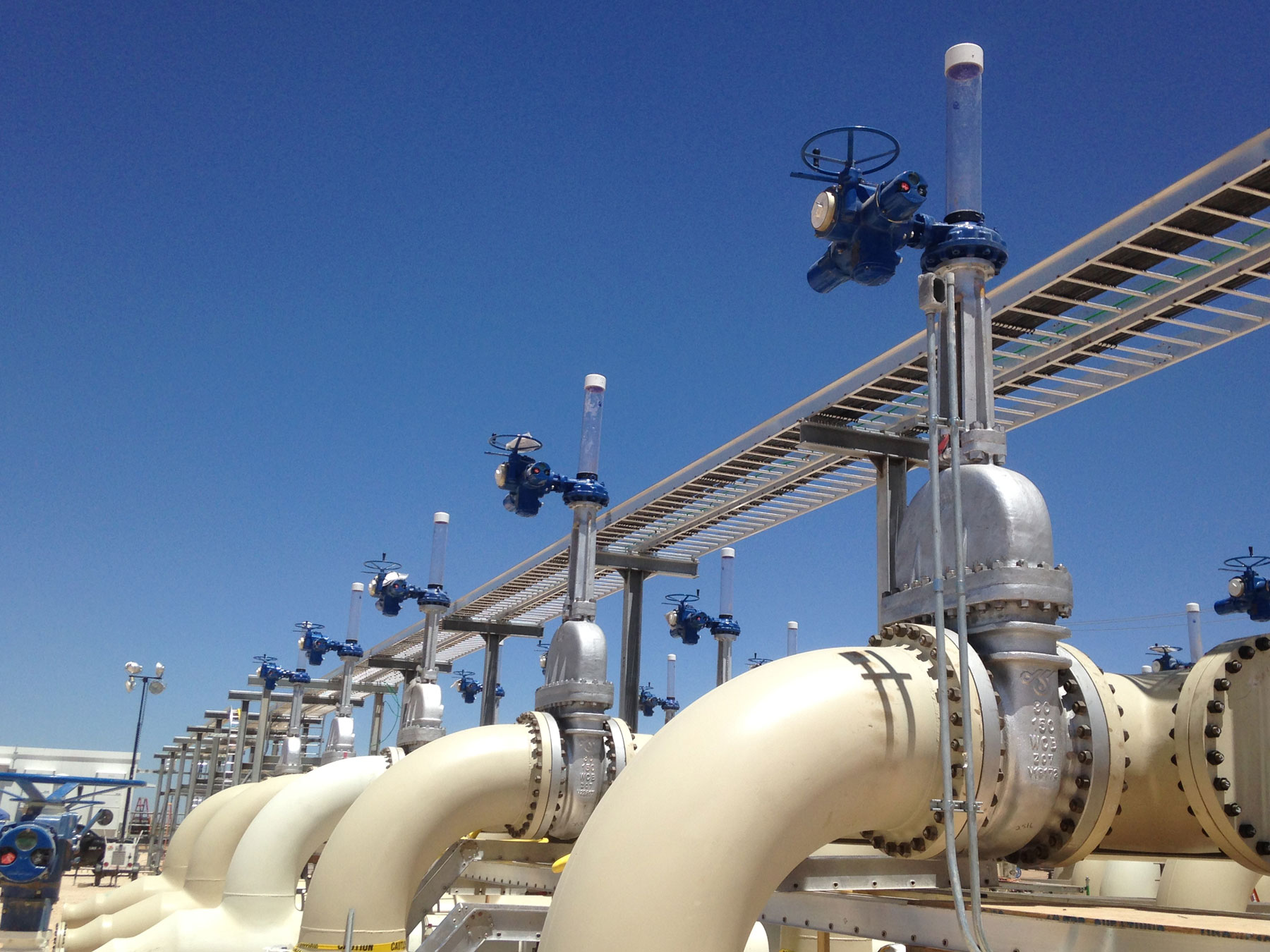
Gate Valves vs Ball Valves
Gate valves and ball valves are two common types of valves used in various industrial applications. Each offers unique benefits and limitations. In this article, we compare gate valves and ball valves, discussing their design, functionality, advantages, disadvantages, and suitable applications.
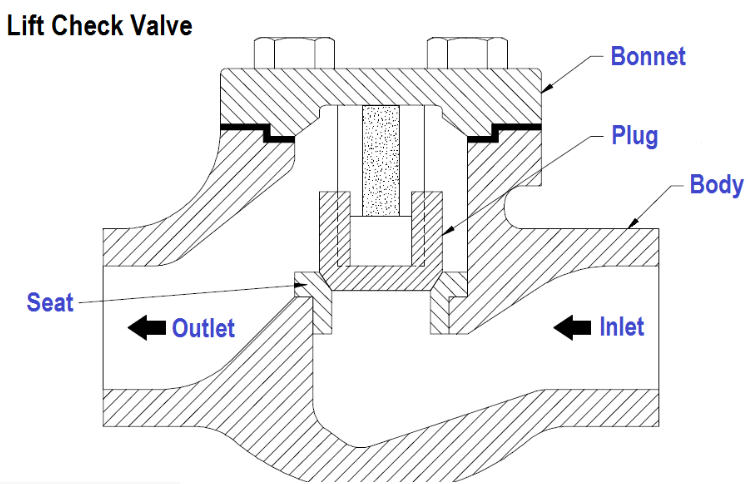
Piston Check Valve
A piston, or lift, check valve is a type of check valve in which a piston is the valve disc for controlling fluid flow. In this article, we explore how a piston check valve works, its installation process, and compares to other types of check valves.
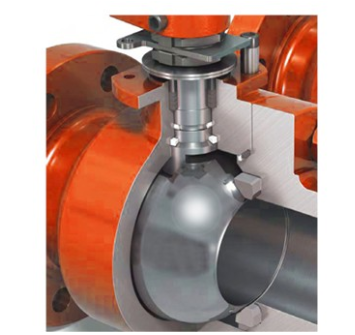
Valve Seat Selection Guide
Selecting the proper valve seat is crucial for maintaining valve integrity and functionality in different industrial applications. This article reviews valve seat types, key considerations when choosing seat material, and a typical selection chart to guide decision-making.
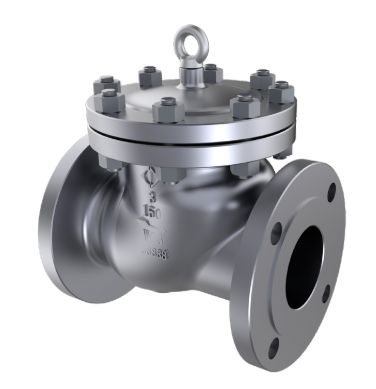
API 594 – Key Elements
API 594 is an industry-standard for check valves with widespread application, especially in the petrochemical and oil & gas industries. This article reviews key elements of API 594 including fitness for service, applicability to check valves, and the different types.
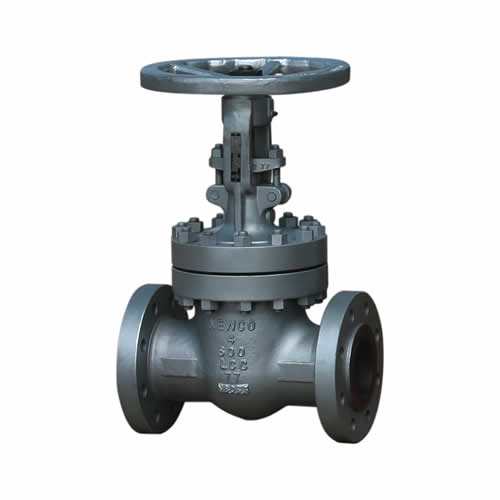
Intro to Gate Valves
Gate valves serve in isolation applications where they can either completely shut off or allow full flow in a pipeline. This article delves into the working principle of gate valves, types, and an intro to common industrial applications.
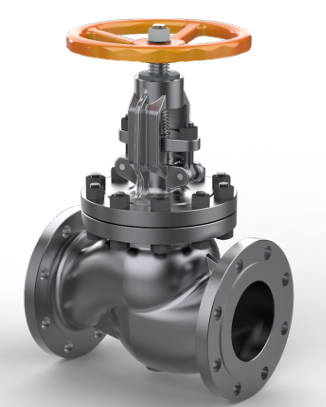
Valve Backseat
A valve backseat is a common design feature in gate valves, as well as globe valves, serving in isolation applications. This article reviews how a valve backseat works, its testing procedure, and when to deploy it to maintain system reliability.
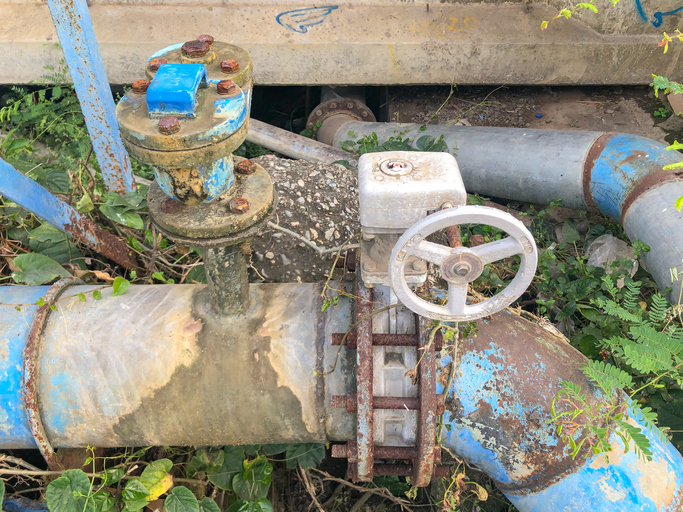
NACE Compliant Valve
In the world of industrial valves, selecting the right valve for an application typically involves consulting industry standards like those from the NACE. This article reviews the requirements for an NACE compliant valve, then summarizes some key elements of the NACE MR0175 and NACE MR0103.
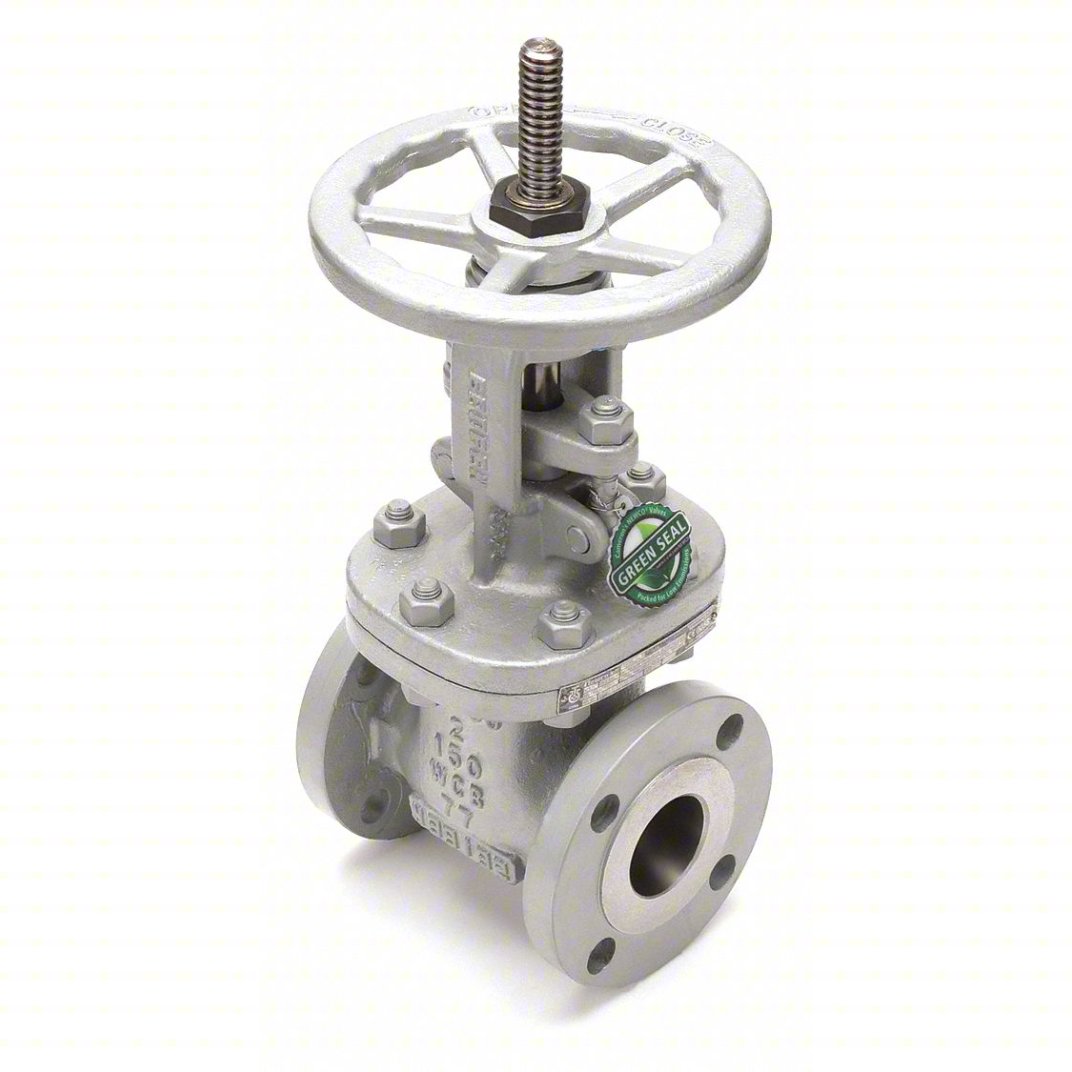
OS & Y Valve
The OS & Y valve is a configuration common in control valves that serve fire sprinkler and standpipe systems. In this article, we review the features of an OS & Y valve, its tamper switch, typical specifications, compare it to NRS valves, and highlight some applications.
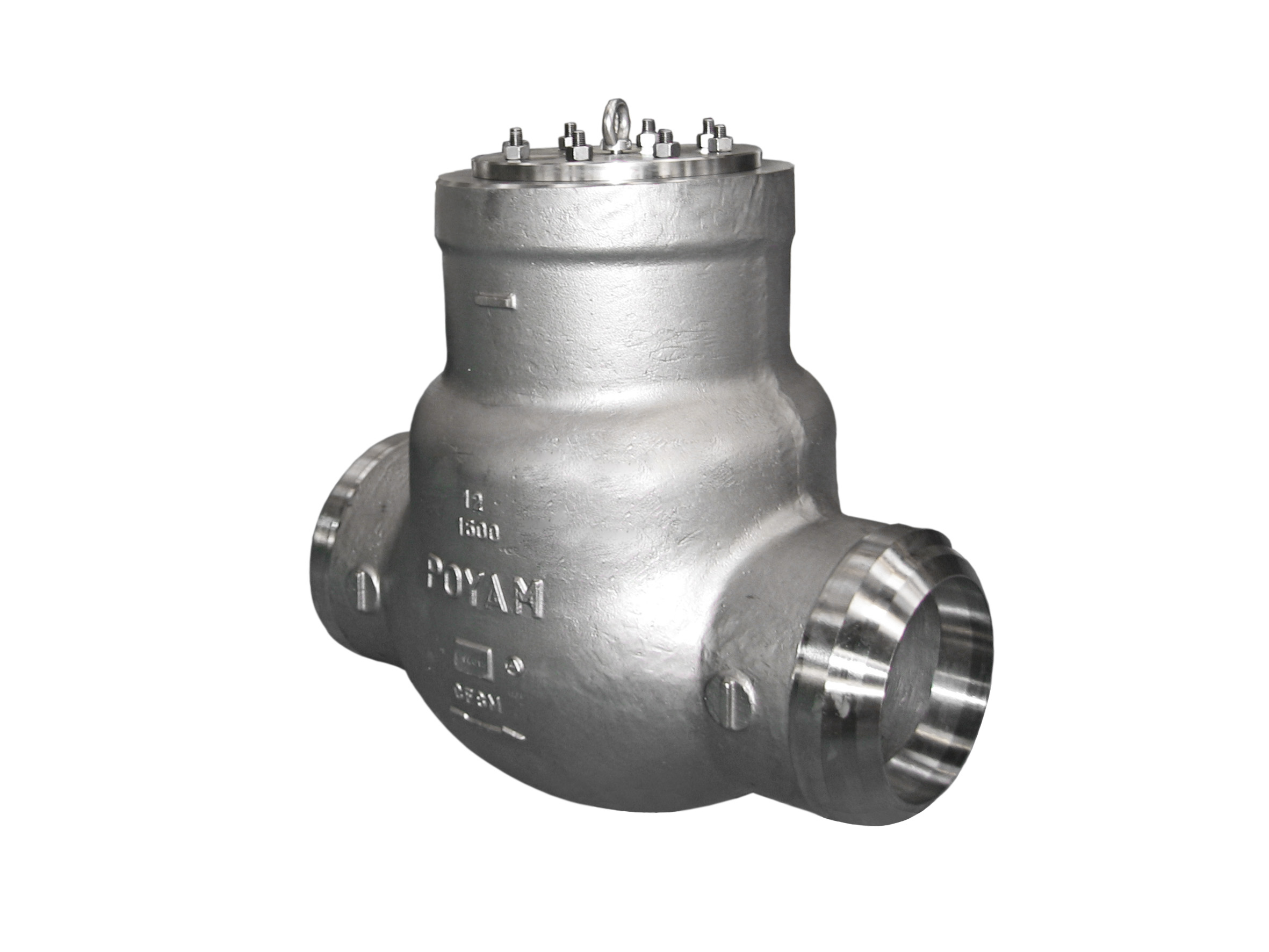
High Pressure Valves
High-pressure valves are important in controlling the flow, direction, and pressure of process and piping systems. This article delves into the qualifications of high-pressure valves, design considerations, and applications of these valves in the oil and gas industry.
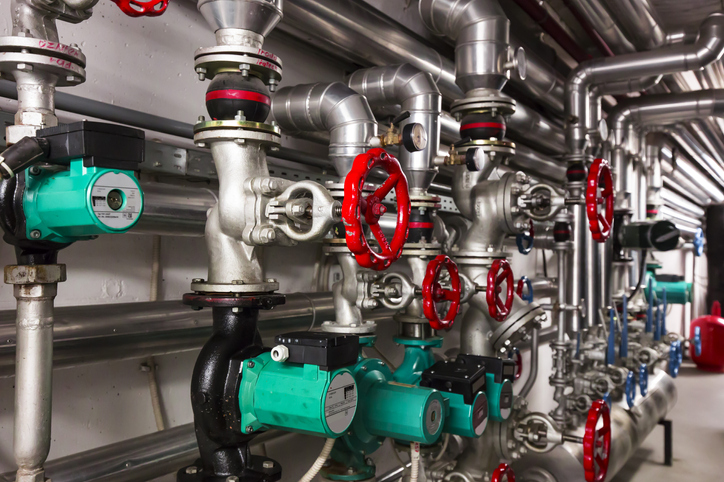
High Temperature Valves
High temperature valves refer to industrial valves that have the capacity to perform at significantly high temperatures. This article reviews the characteristics of high temperature valves, suitable valve seats, and other design considerations.
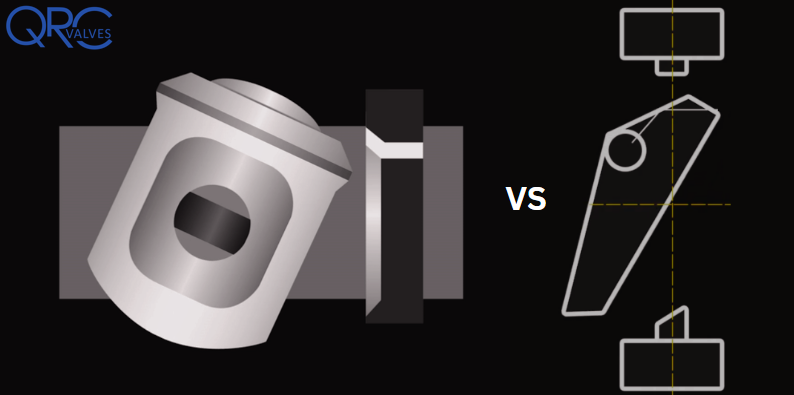
Butterfly Valve vs Ball Valve
When it comes to flow regulation in industrial applications, it is common to have to choose between a butterfly valve or a ball valve. In this article, we delve into details of each valve type, compare their features, and provide guidance on choosing between a butterfly valve vs a ball valve.
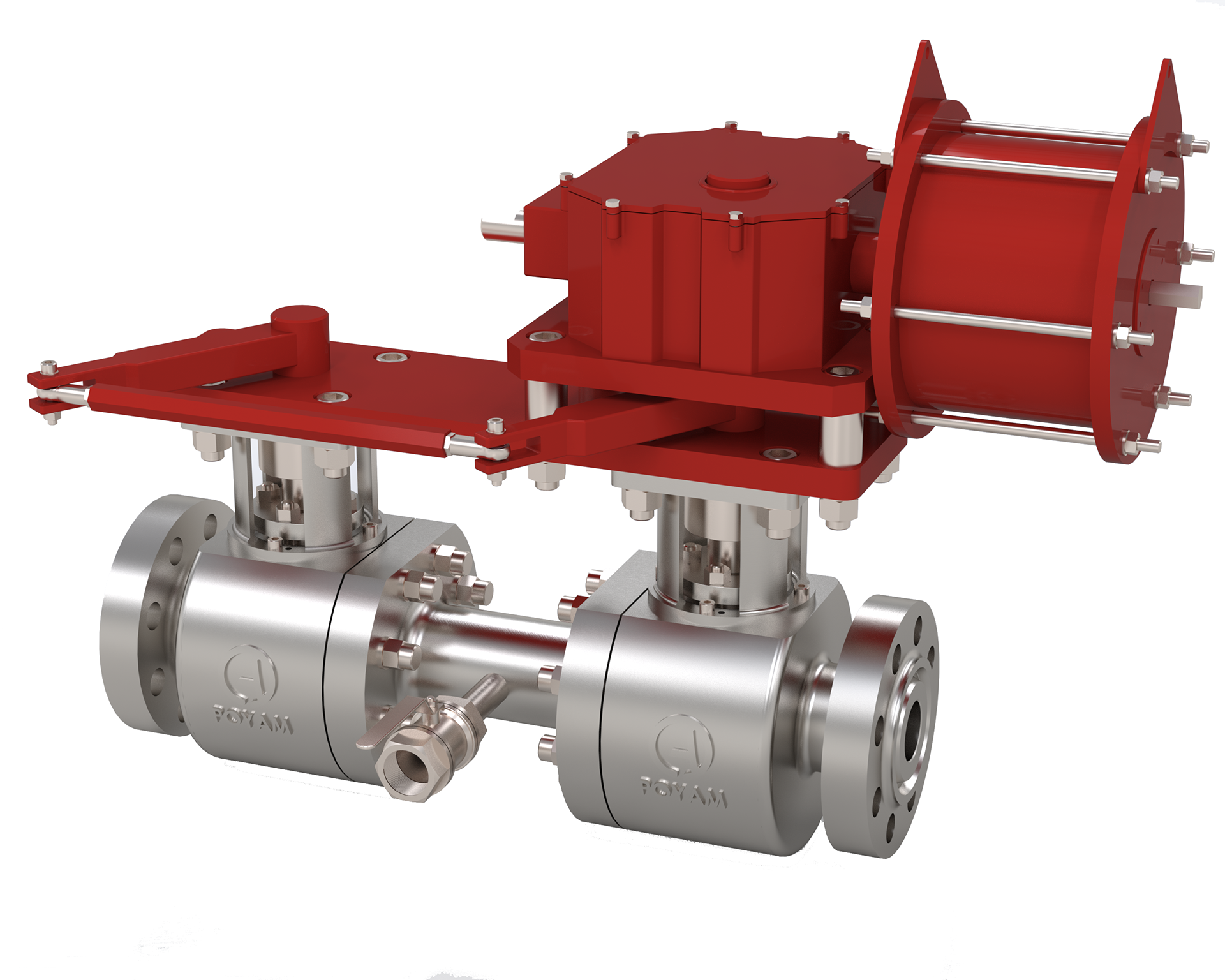
Severe Service Valves
In the realm of valves, the term ‘severe service’ signifies operating conditions that pose challenges beyond the ordinary. This article delves into the stringent criteria that define a valve as ‘severe service’ and explores how these qualifications contribute to the reliability and longevity of the valve in demanding industrial applications.
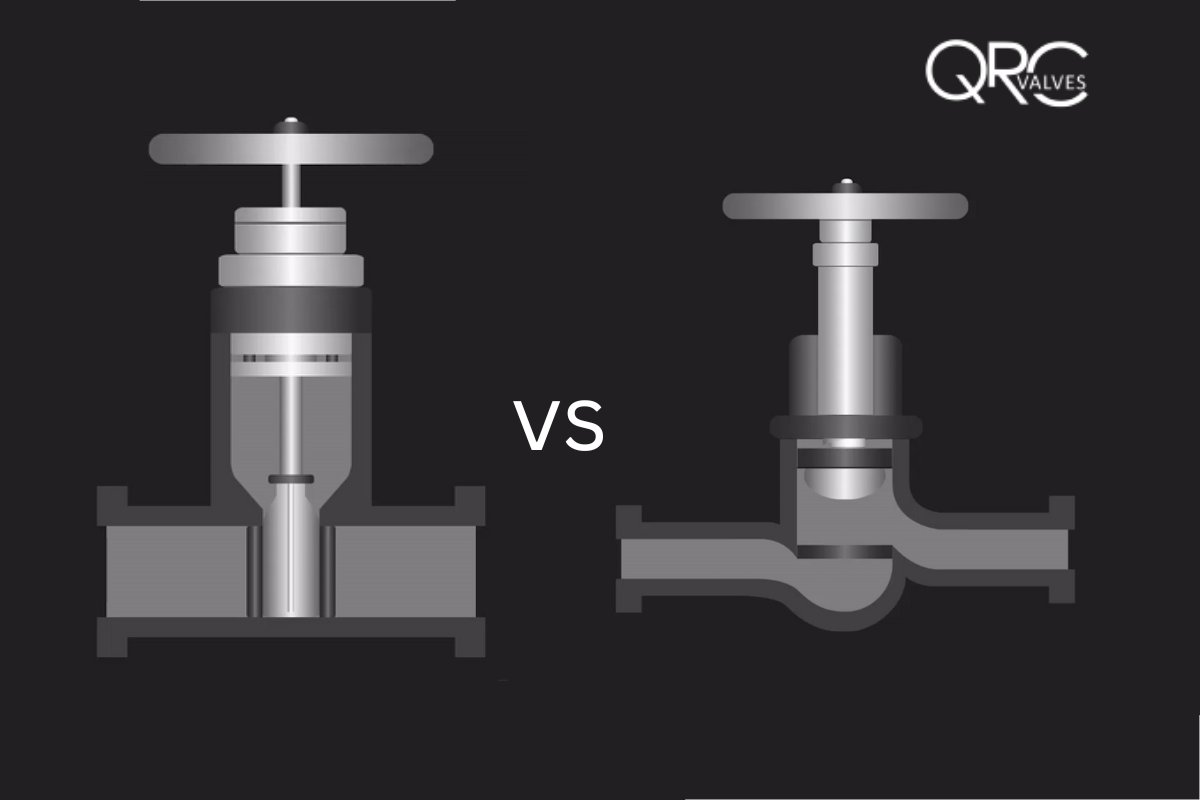
Gate vs Globe Valves
Gate valves and globe valves are some of the most common valve options in piping systems, due to their desirable features. This article delves into the characteristics gate vs globe valves, compares the features of both valves, and how to make the right choice between them.
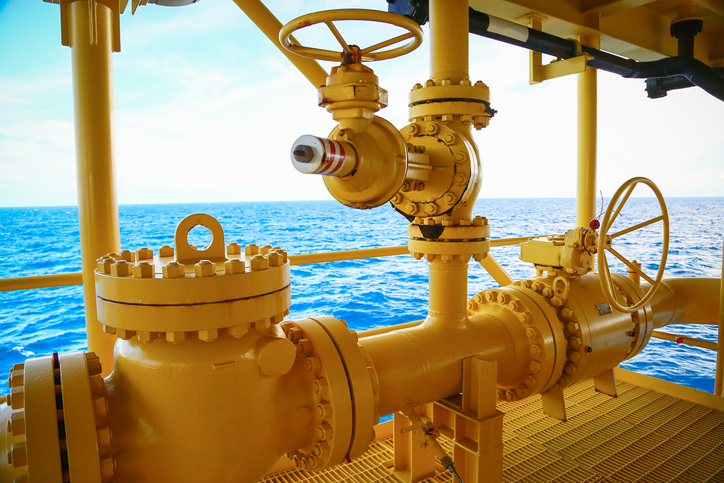
Valve Maintenance
Valves regulate the gases, liquids, and slurries flows in various mechanical applications. However, valves might experience wear, tear, corrosion, or residue build-up over time, leading to leaks, blockages, or failure. This article reviews why valves need maintenance, as well as maintenance of different types of valves including gate, globe, and check valves.
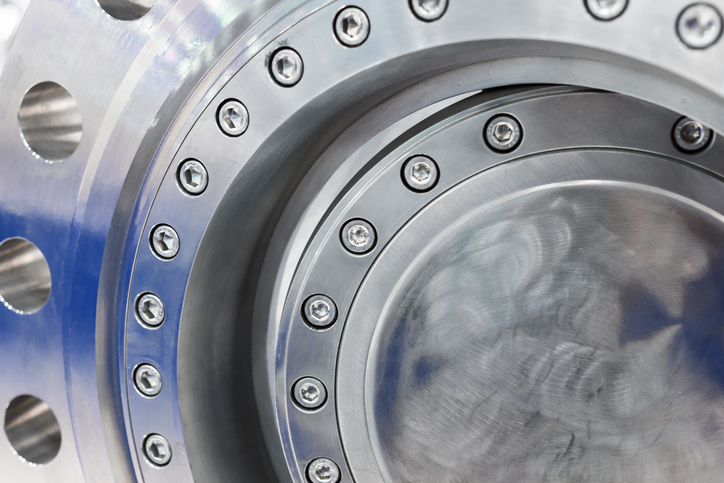
Types of Butterfly Valves
Butterfly valves are lightweight valves that are common in piping systems. This article reviews the types of butterfly valves according to the material of construction, configuration, mounting type, and actuation.
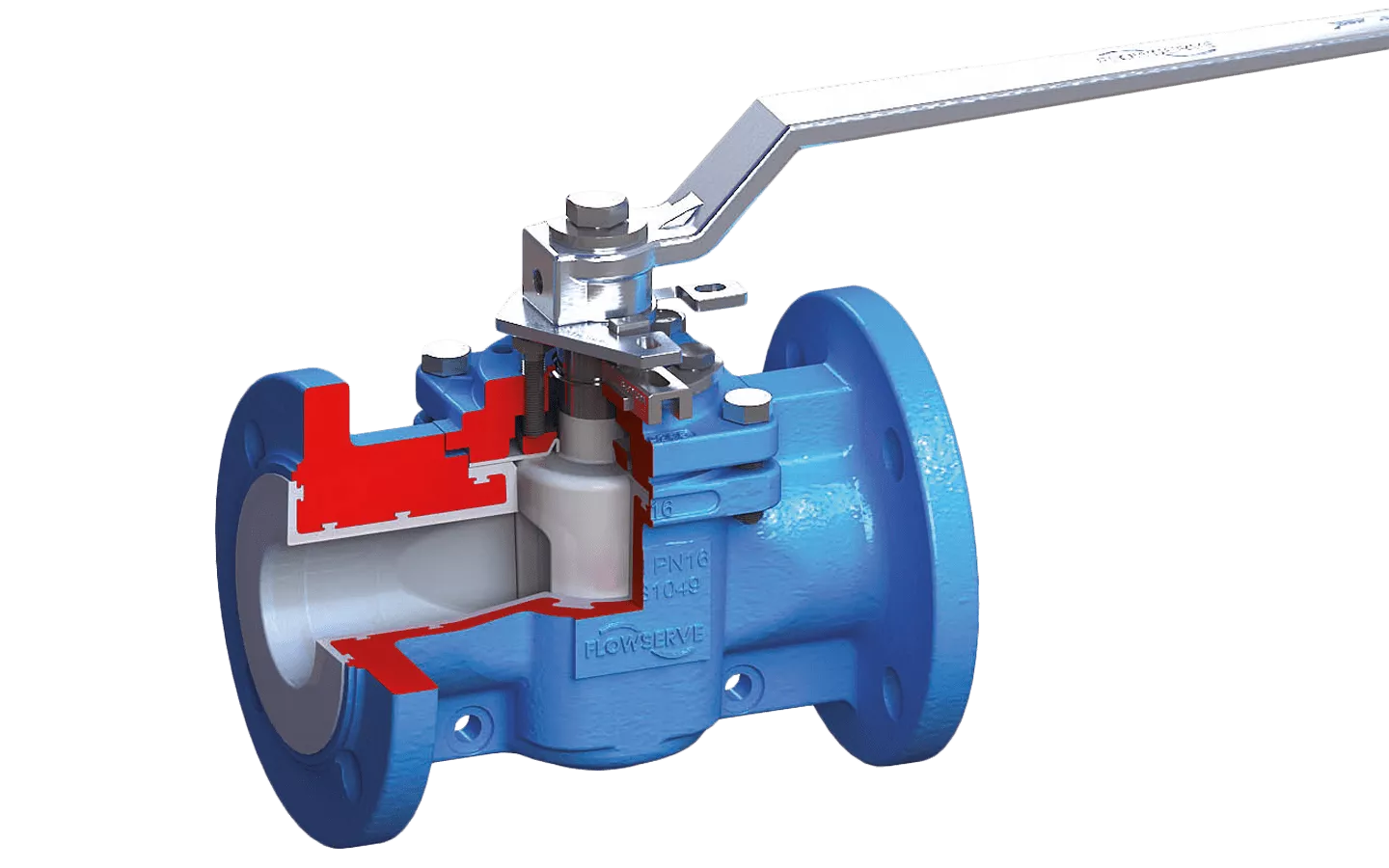
Lined Valves
Lined valves play a crucial role in industrial setups where reliability and precision are paramount. In this article, we delve into the purpose of lined valves, explore various types such as glass, PFA, PTFE, rubber, TEF, and FEP, as well as compare them with unlined valves.

Cast vs Forged Valves
Valves are indispensable parts of any industrial system, but they are not all made the same way. Of all the methods, the most popular for making high-quality industrial valves are casting and forging. In this article, we explore the advantages of each of them, as well as compare the features of cast versus forged valves.
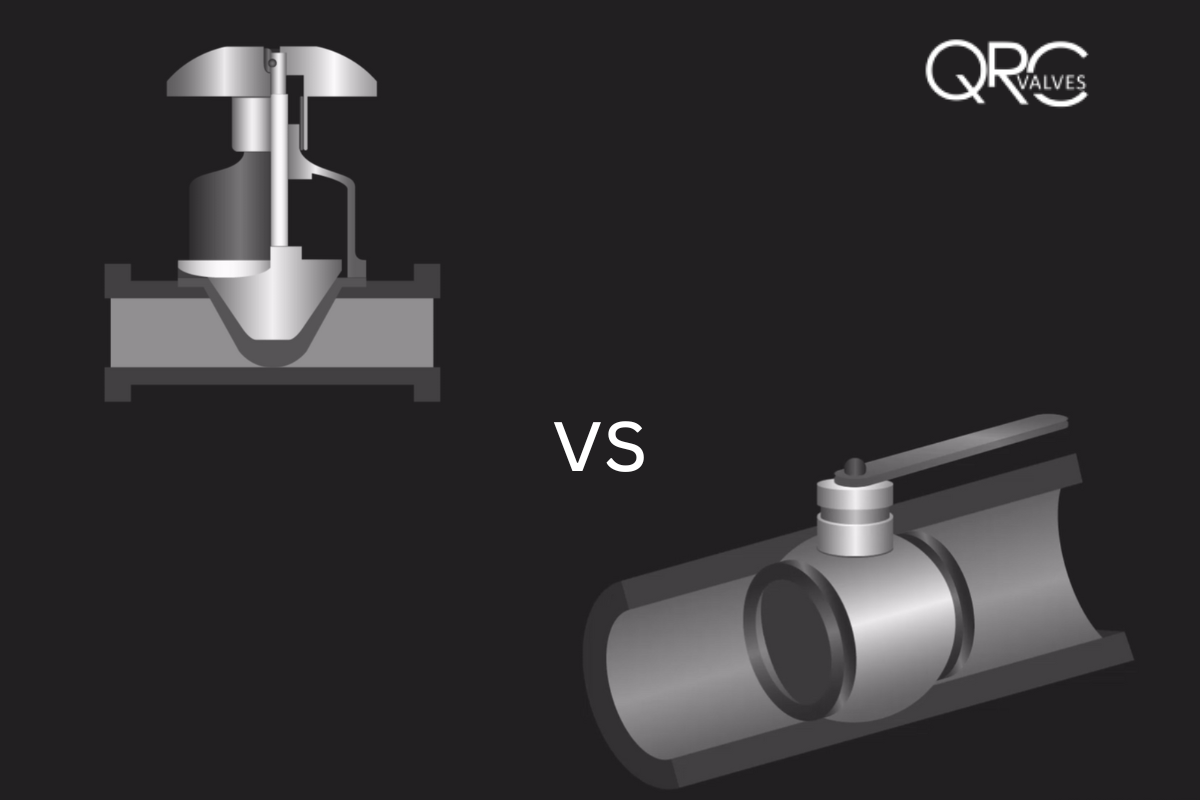
Diaphragm Valve vs. Ball Valve
In some industrial applications, diaphragm valves compete with ball valves. Each present a distinct set of advantages and disadvantages. In this article, you will learn about the function of the diaphragm valve versus the ball valve, its applications, and the advantages and disadvantages of both types.
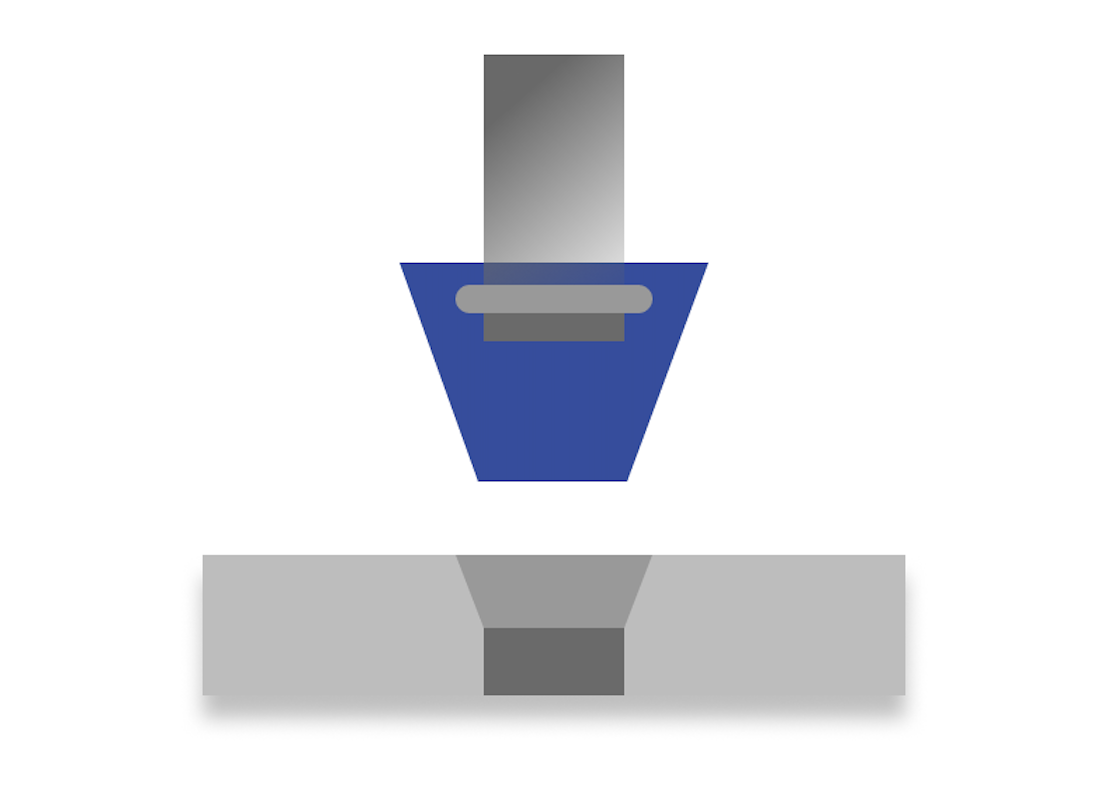
Industrial Globe Valves
Globe valves remain a popular option for industrial applications as their design allows them to excel in both throttling and shut-off purposes. In this article, we review how industrial globe valves work, their applications in industry, and how to select the right one for your project.
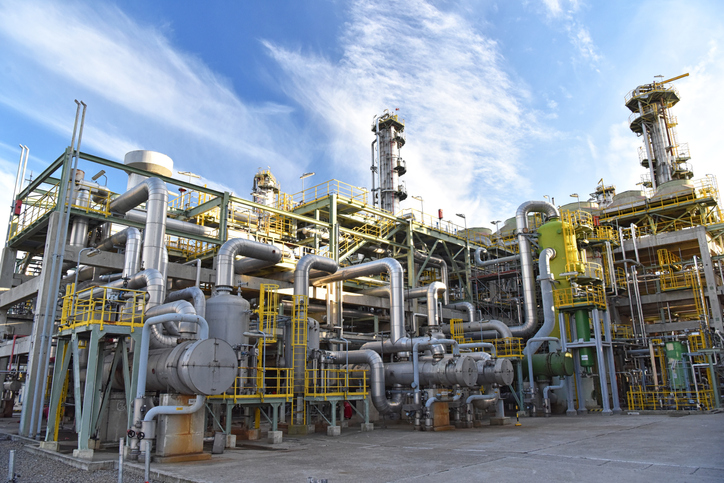
Valves in the Chemical Industry
Valves are critical components in the chemical industry as they perform several functions. This article reviews common valves in the chemical industry, material compatibility considerations, and how chemical injection valves work.
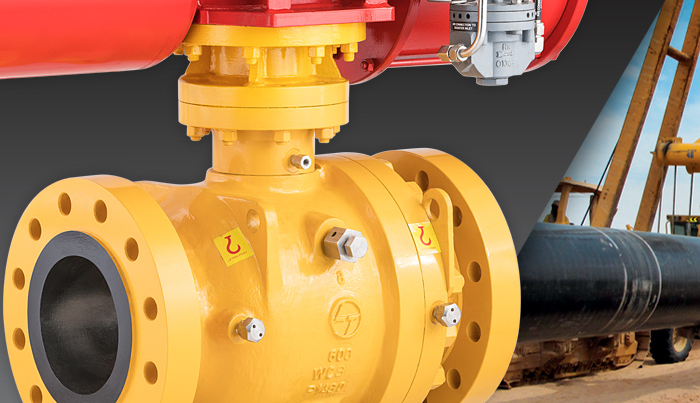
Emergency Shutdown Valve
An emergency shutdown valve, frequently referred to as a safety shutdown valve, quickly halts fluid flow in an emergency or potentially hazardous situation. In this article, we review the working principles of the shutdown valve, closing time, and types.
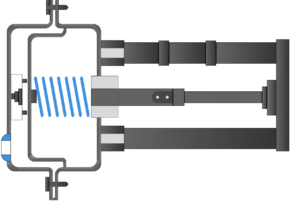
Direct Acting vs Reverse Acting Actuator
Actuators perform important functions in valves, especially control valves. Common operations performed include fully opening, fully closing, and providing precise control for flow regulation. In this article, we review the operations of a direct acting and a reverse acting actuator and compare the two.
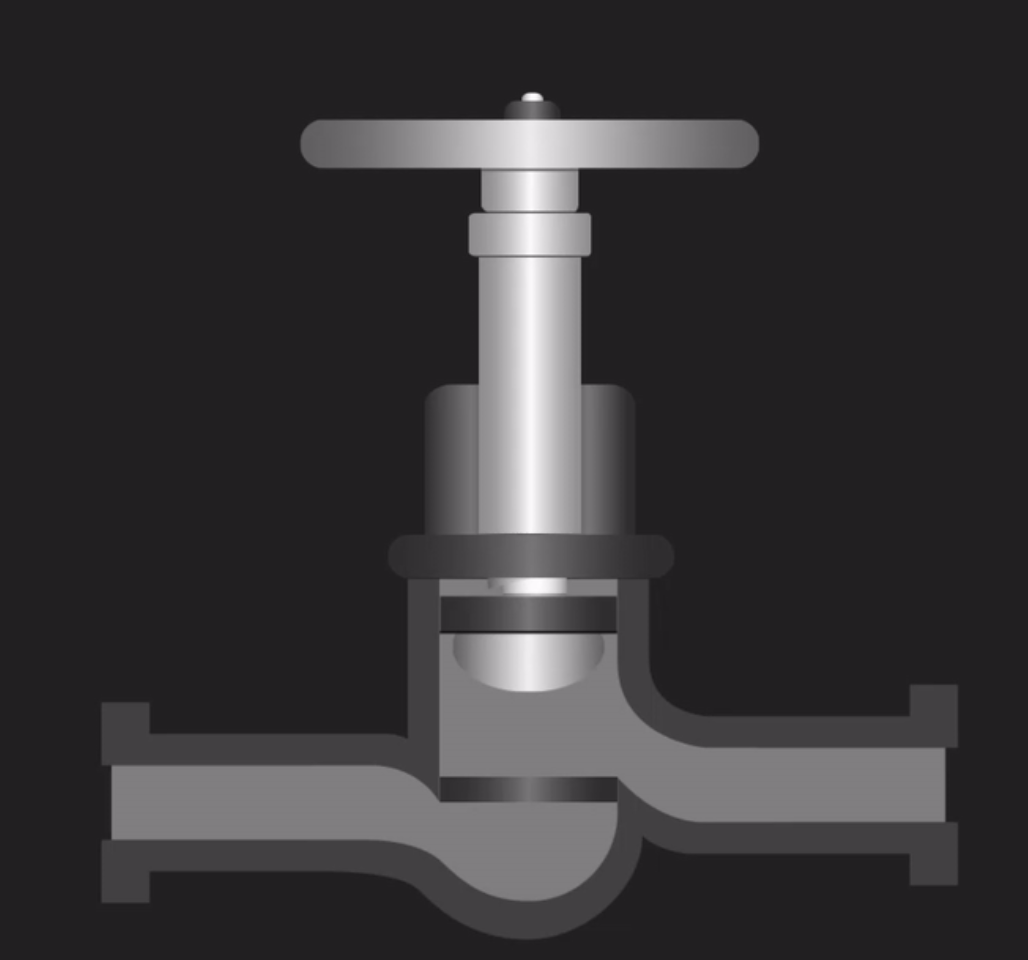
Globe Valve Flow Direction
Globe valves are one of the most common valves in every industry because of their ability to start, stop, and throttle fluid flow. In this article, we review what dictates flow direction, the flow characteristics of a globe valve, and its CV values.
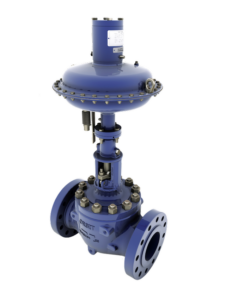
Automated Valves
Automated valves do not require manual efforts for their operation. Rather, they possess an actuator and control system that automatically performs the opening, closing, and regulation of the valve. Benefits of this system include increase in efficiency and operator safety. In this article, we review how automated valves work, as well as the functioning of automated gate, globe, and butterfly valves.
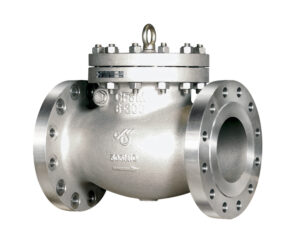
Stainless Steel Valves
Stainless steel valves are one of the most common types because they offer great durability at a relatively low cost. In this article, you will learn more about stainless steel valves and compare them vs other valve materials.
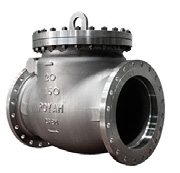
Functions of a Check Valve
A check valve is common in control applications to ensure that the flow of liquid or gas is in only one direction. This article discusses the functions of a check valve in industry, its application in various types of systems, and functionality vs a non-return valve.
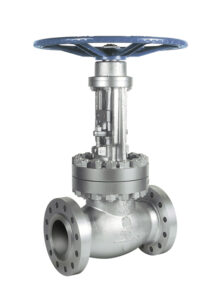
WCB Valve – Meaning, vs. WCC
WCB in valve means Weldable Cast Steel with a B grading. In this article, we discuss the meaning of WCB designation, review WCB material specifications, and compare WCB vs. WCC.

RPTFE Seat – Applications in Industry, vs. PTFE
RPTFE stands for Reinforced Polytetrafluoroethylene and provides a common valve seat coating material. This is largely because it has several desirable attributes that ensure the long-term integrity of the seat. In this article, we review RPTFE seat use, its temperature range, and compare RPTFE vs PTFE.
CV of Valves
The CV of valves refers to their flow coefficient and provides one of the important parameters when selecting a valve for an application. Moreover, its value quantifies a valve’s ability to pass flow. In this article, you will learn more about CV, how to calculate it, and review a CV valve chart.
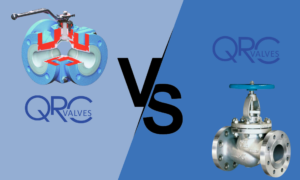
Ball Valves vs Globe Valves
Among all types of valves, the ball valve and globe valve are two of the most used valves in the industrial industry. This article reviews the advantages and disadvantages ball valves vs globe valve, as well as a comparison between the two types of valves.
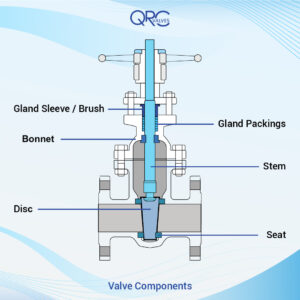
Gate Valve Components
A gate valve is typically used in industrial settings to completely restrict flow, or to fully allow flow when it is in the open position. In this article, we review common gate valve components, the gate valve assembly, and common problems.
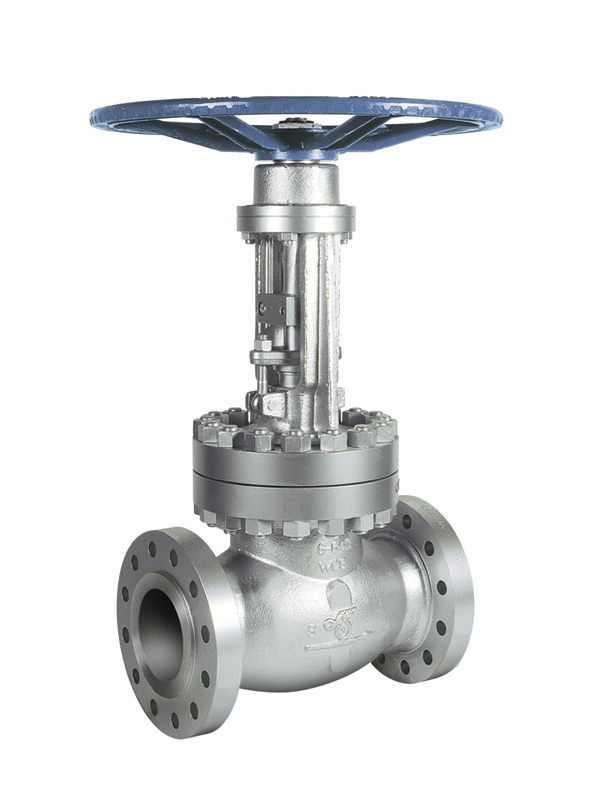
Leaking Gate Valve – Causes, Types, and Fixes
A leaking gate valve may disrupt the efficiency, performance, and environmental compliance of any system. In this article, we discuss more about leaking gate valves, causes of leakage, types of leakages and repair options, as well as how to replace them.
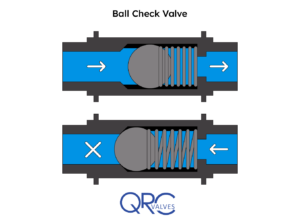
Ball Check Valves – Operation, Diagram vs. Swing Valves
The purpose of using a ball check valve is to prevent reverse flow in a pipe. Ball check valves achieve this by using a spherical ball inside the flow path that permits flow in only one direction. In this article, you will learn how ball check valves operate, review a diagram, and compare it vs a swing check valve, and vs a regular ball valve.
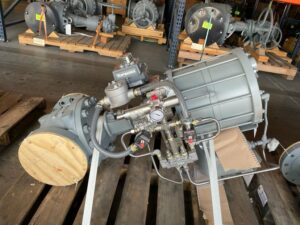
Actuated Valve – Working Principle and Types
Actuated valves provide the foundation of flow control for any modern process system. This article will review how an actuated valve works, different types of actuated valves, a diagram, and its operation vs. a solenoid valve and control valve.
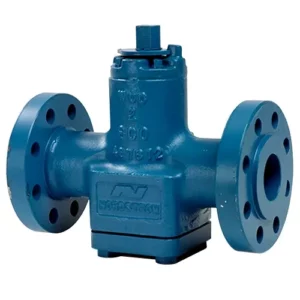
API 6D Valves – Types, vs. API 598
API 6D is the American Petroleum Institute’s specification for pipeline and pipeline valves in the petroleum and natural gas industries. It contains requirements for the design, manufacture, assembly, documentation, and testing of ball, gate, plug, and check valves for pressure ratings up to ASME class 2500. In this article, we will review what constitutes an API 6D ball, gate, plug, and check valve, design considerations, as well as API 6D vs API 598.
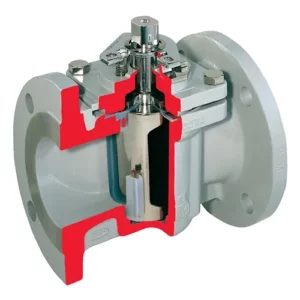
Plug Valves – Types, Construction, and Applications
Plug valves utilize conical and cylindrical plugs to stop or throttle flow in a system. Their construction allows for quarter turns to completely shut off or open flow. This article covers the different types of plug valves, valve construction and components, typical applications, and maintenance and repair.
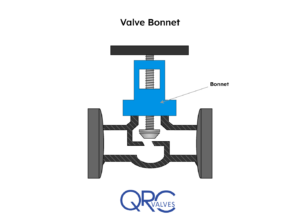
Valve Bonnet – Types, Leakages, and Repair
Generally, the classification of valve bonnets corresponds to how it fastens to the valve body. In this article, you will learn more about a valve bonnet, types of valve bonnets, the causes of leakages, and their repair or prevention.

Fugitive Emission Valves
Fugitive emission valves have been qualified according to industry standards against the leakage or unintentional release of vapor or gasses. In this article, you will learn more about fugitive emissions, fugitive emission valves, as well as the associated valve testing.
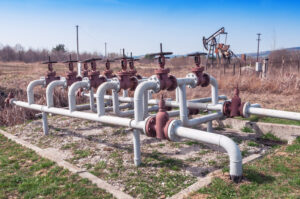
Rising Stem Valves – Ball, Gate, vs. Non-Rising
Rising stem valves provide a stem that rises or falls as the valve opens or closes. In this article, we will review a rising stem gate valve, a rising stem ball valve, a rising stem globe valve, and compare the rising stem valve vs. its non-rising counterpart.
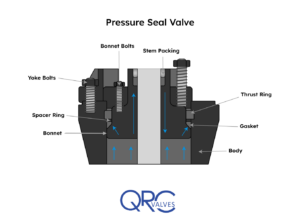
Pressure Seal Valves – Working Principle, vs. Bolted, Gaskets
The design of pressure seal valves is specifically for high-pressure applications typically in excess of 1,000 psi and are therefore normally only available in pressure classes of 600# and above. In this article, we will discuss how the pressure seal valve works, the pressure seal bonnet vs. bolted bonnet design, and pressure seal gaskets.
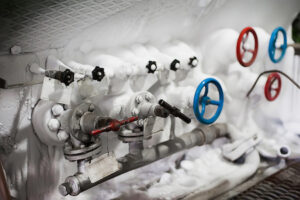
Cryogenic Valves – Uses, Types, Standards, and Testing
Cryogenic valves can withstand and operate effectively at extremely cold temperatures. Although the definition of cryogenic temperature varies according to industry, it is common to see cryogenic valves operate between -40℉ (-40℃) to values below -320℉ (-196℃). In this article, we will review the common uses of cryogenic valves, types, standards, and testing.
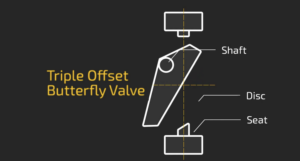
Triple Offset Butterfly Valve – Benefits, Drawing, vs Other Offsets
Choosing the right type of butterfly valve is key to every application. The available range of butterfly valves from equipment manufacturers includes concentric, single (1x) offset, double (2x) offset, and triple (3x) offset butterfly valves. In this article, you will learn the benefits of a triple offset butterfly valve, see a sample drawing, and realize its benefits vs other types of butterfly valves.

Valve Corrosion – Causes, Allowance, & Prevention
Valves, typically composed of metal, serve as a conduit to a variety of fluids. As such, a valve frequently experience corrosion. In this article, you will learn the causes of valve corrosion, the concept of corrosion allowance, and anti-corrosion measures.
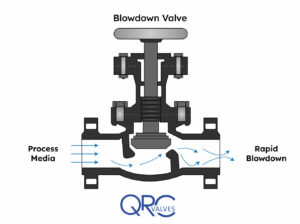
Blowdown Valve – Working Principle, Types, Diagram, Applications
A blowdown valve’s main function is to control a continuous or intermittent flow of steam or fluid under high differential pressure. When installed in a system, they drain solid contaminants from the fluid. In this article, you will learn the working principle of a blowdown valve, review a blowdown valve diagram, and its use in boiler and compressor applications.
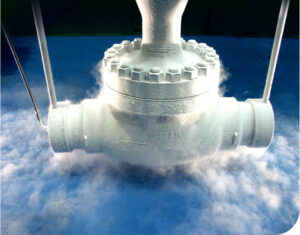
Valve Testing – Hydrostatic, Pneumatic, Shell, Seat, Fire…
Generally, valve testing simulates operating conditions in a controlled environment to ensure fit for service valves. However, testing also occurs periodically after installation in line with standard practices. In this article, we will review common valve testing types and industry standards that offer guidelines for valve testing.
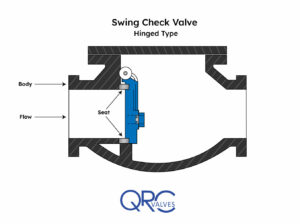
Swing Check Valve – Diagram, Types, and Applications
A swing check valve allows forward flow and blocks the reverse flow. It provides a strong option for uni-directional homogenous flow applications. In this article, you will review a swing check valve diagram, operating principles, types, k-values, installation concerns, and applications.
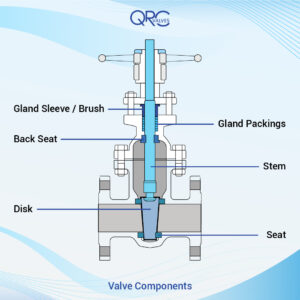
Valve Trim – What It Is, Plug Profiles, Parts, Chart, and Selection Process
Valve trim refers to the operating parts of a valve that are usually exposed to the process fluid. In this article, you will learn more about the meaning of valve trim, review a valve trim chart, learn about the material selection process, and review the selection process in action by comparing two common trims: trim 5 vs. trim 8.

What is Hydrogen Induced Cracking (HIC)?
Hydrogen Induced Cracking is a unique mechanical failure model common in low alloys and high-hardness steel grades such as titanium. In this article, you will learn what hydrogen-induced cracking (HIC) is, how to avoid hydrogen-induced cracking, detection tests, and repair methods.

API Monogram
What is API Monogram Program The API Monogram Program is a voluntary licensing initiative designed to promote the consistent manufacturing of equipment that meets rigorous

Killed Steel
Killed steel, sometimes called deoxidized steel, is steel that has been entirely deoxidized by adding an agent before casting. Thus, there are minimal gas pockets
Blowdown Service: Material and Trim Temperature Limits
Blowdown service refers to the process of removing hot water from the bottom of a boiler to reduce the accumulation of dissolved solids in the
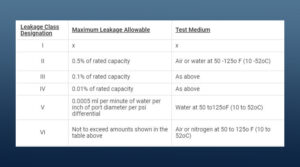
Class Seat Leakage
HYDRO TESTING – CLASS I to IVCLASS SEAT LEAKAGE The term “Class” seat leakage comes from ANSI/FCI 70-2, a specification that applies exclusively to control
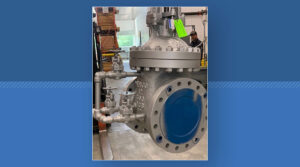
Bypass and Equalizer Combination
Understanding the 3-Line Bypass and Equalizer Combination in Gate Valves A 3-line bypass and equalizer combination plays a crucial role in ensuring safe, efficient valve